
16 Black or Moody Plants That Are Safe Around Dogs, Cats, Reptiles &/or Arachnids
I thought it would be fun to put together a dark flower/plant list that is safe for a variety of animals, especially with Halloween coming up. 🖤 Some of these are nearly black, some are deep purple or burgundy, and a few are just wonderfully moody.
I looked specifically at dogs, cats, reptiles, and arachnids. One thing I learned pretty quickly is that “non-toxic” and “appropriate for an enclosure” are NOT always the same thing. A plant may be chemically harmless but need temperatures, humidity, lighting, or space that make it a terrible choice for a particular animal.
PLEASE read all the way to the end before putting ANY of these plants into an animal enclosure. There is VERY important information down there that applies to every plant on this list, including pesticides, herbicides, fertilizers, nursery soil, quarantine, and how to prepare a plant before enclosure use.
I also did not research these plants specifically for insects such as beetles or praying mantises, millipedes, or amphibians such as frogs, so please do your own species-specific research before using any of them with those animals.
1. Black Scallop Ajuga
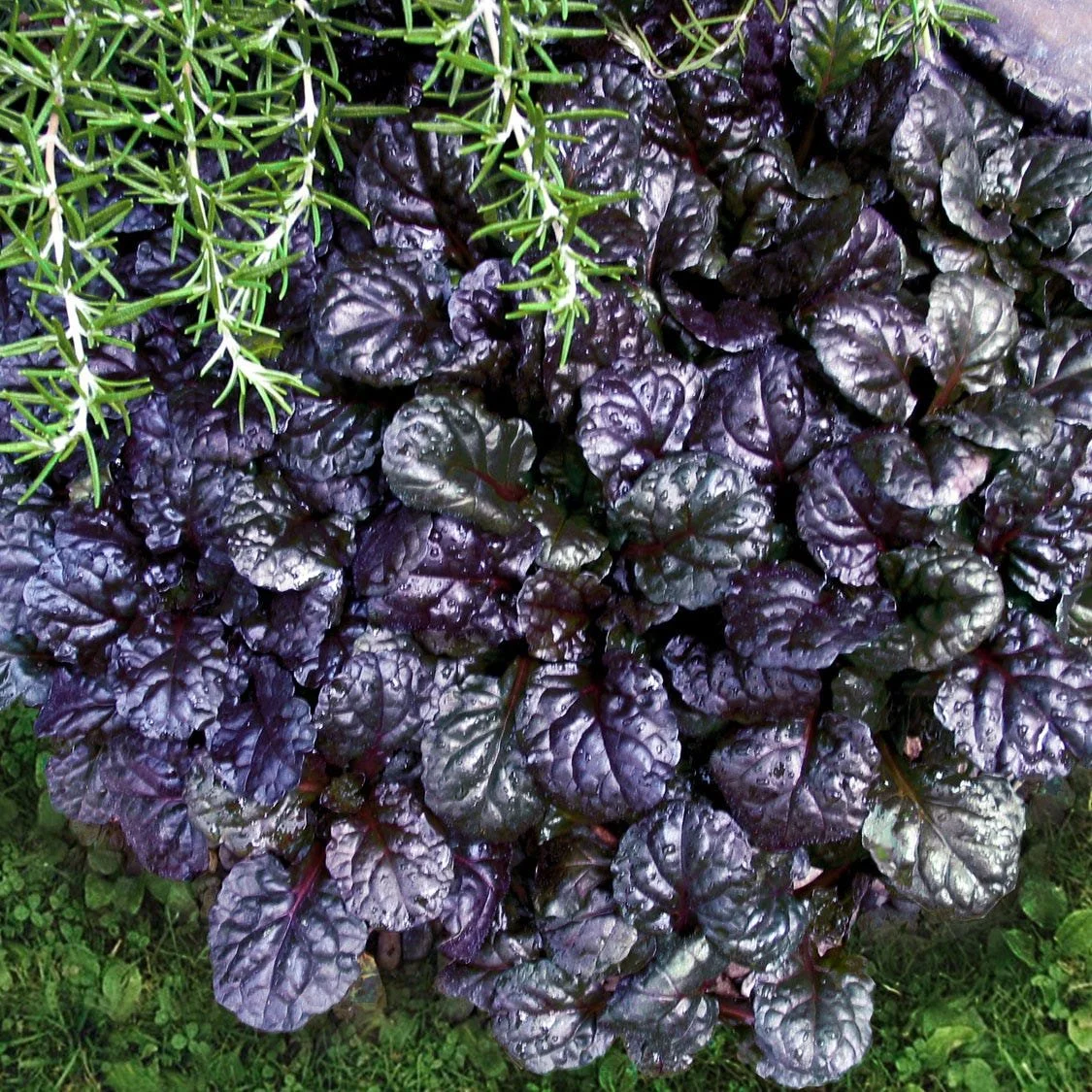
Ajuga reptans ‘Black Scallop’
Dogs: ✅ Generally considered non-toxic and pet-safe. Eating a large amount could still cause mild stomach upset.
Cats: ✅ Generally considered non-toxic and pet-safe. Excessive chewing could still cause some digestive upset.
Reptiles: ✅ Generally considered non-toxic if ingested.
The bigger issue is whether the plant actually belongs in the enclosure. Black Scallop Ajuga prefers moist, well-draining soil, decent airflow, and fairly bright light. It can develop crown rot in very damp, poorly ventilated setups.
Arachnids: ✅ The plant itself is generally considered non-toxic.
It may work in some setups, but its moisture and lighting requirements won’t match every spider or scorpion. It can also form a dense creeping mat, so it may become impractical in smaller enclosures.
2. Black Delight Pansy
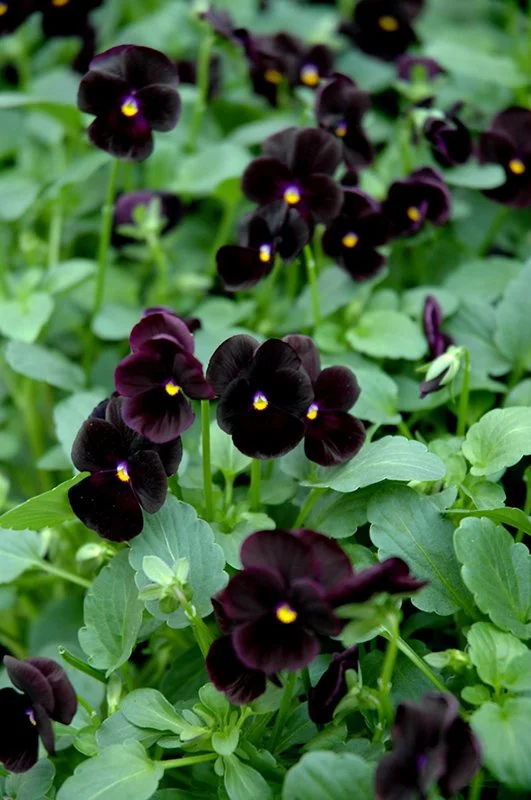
Viola × wittrockiana / Viola cornuta ‘Black Delight’
Dogs: ✅ Non-toxic and considered pet-safe. Large amounts of plant matter can still cause temporary stomach upset.
Cats: ✅ Non-toxic and considered pet-safe. Same caveat about excessive chewing.
Reptiles: ✅ Non-toxic and edible for appropriate herbivorous and omnivorous reptiles. Pansies and violas are commonly used with animals such as tortoises and bearded dragons.
The challenge is climate. Pansies are cool-weather plants that prefer cooler temperatures, moisture, good drainage, and bright light. They may quickly wilt or die underneath intense basking heat or in hot tropical enclosures.
They’re also fairly delicate, so a larger reptile may trample or eat the whole thing.
Arachnids: ✅ The plant itself is non-toxic, soft, compact, and without dangerous spines.
However, it’s usually not a great long-term choice for many arachnid enclosures because its cooler temperatures, consistent moisture, bright light, and airflow requirements may not match the spider or scorpion.
3. Halloween II Pansy
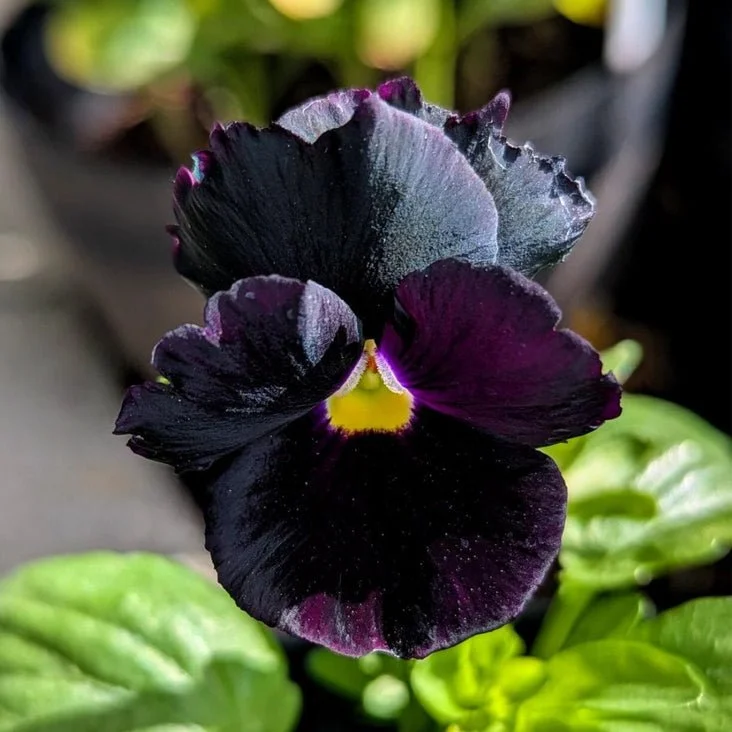
Viola × wittrockiana ‘Halloween II’
Dogs: ✅ Non-toxic and considered safe. Large amounts could still cause mild vomiting or loose stool simply from eating a lot of plant material.
Cats: ✅ Non-toxic and considered safe. Same caveat about mild digestive upset.
Reptiles: ✅ Non-toxic and edible for appropriate herbivorous and omnivorous reptiles. Both the leaves and flowers are generally considered safe.
Again, the biggest issue is husbandry. These are cool-weather plants that need regular moisture, good drainage, bright light, and cooler conditions. They may wilt or die beneath intense basking heat.
They’re also delicate enough that a larger reptile may crush or eat them pretty quickly.
Arachnids: ✅ The plant itself is non-toxic and physically soft.
However, it’s generally impractical in many spider or scorpion enclosures because it prefers cooler temperatures, consistent moisture, bright light, and excellent airflow.
4. Black Sweet Potato Vine
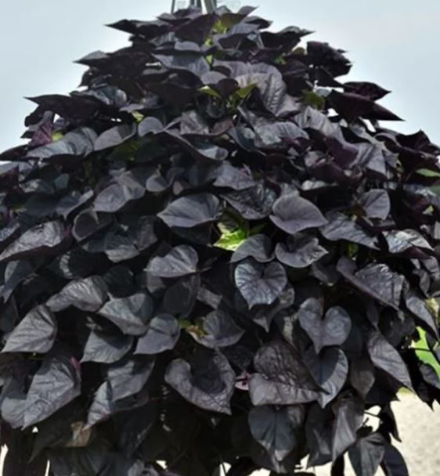
Ipomoea batatas ‘Sweet Caroline Sweetheart Jet Black’
Dogs: ✅ Generally considered non-toxic.
Cats: ✅ Generally considered non-toxic.
As always, eating a large amount of plant material could still cause digestive upset.
Reptiles: ✅/⚠️ Generally considered acceptable for non-herbivorous reptiles, but this one deserves more caution if the reptile is likely to eat the plant.
Concerns sometimes raised include the seeds, flowers, tubers, rotting tubers, and the milky sap produced when stems are damaged.
For reptiles that are likely to graze heavily on the plant, I would treat it as a species-specific choice rather than universally edible.
This cultivar can also spread up to around 36 inches, so it may quickly overwhelm a smaller enclosure. It needs substantial light to keep its deep black-purple color.
Arachnids: ⚠️ I would avoid this one in spider and scorpion enclosures.
Black sweet potato vine produces a milky sap when damaged, and while there isn’t strong evidence showing that the living plant itself poisons arachnids, spiders are extremely sensitive animals. There are plenty of other plant choices without irritating sap, so I don’t think the risk is worth it.
It also grows aggressively and needs strong light.
Best avoided for arachnids.
5. Black Mondo Grass
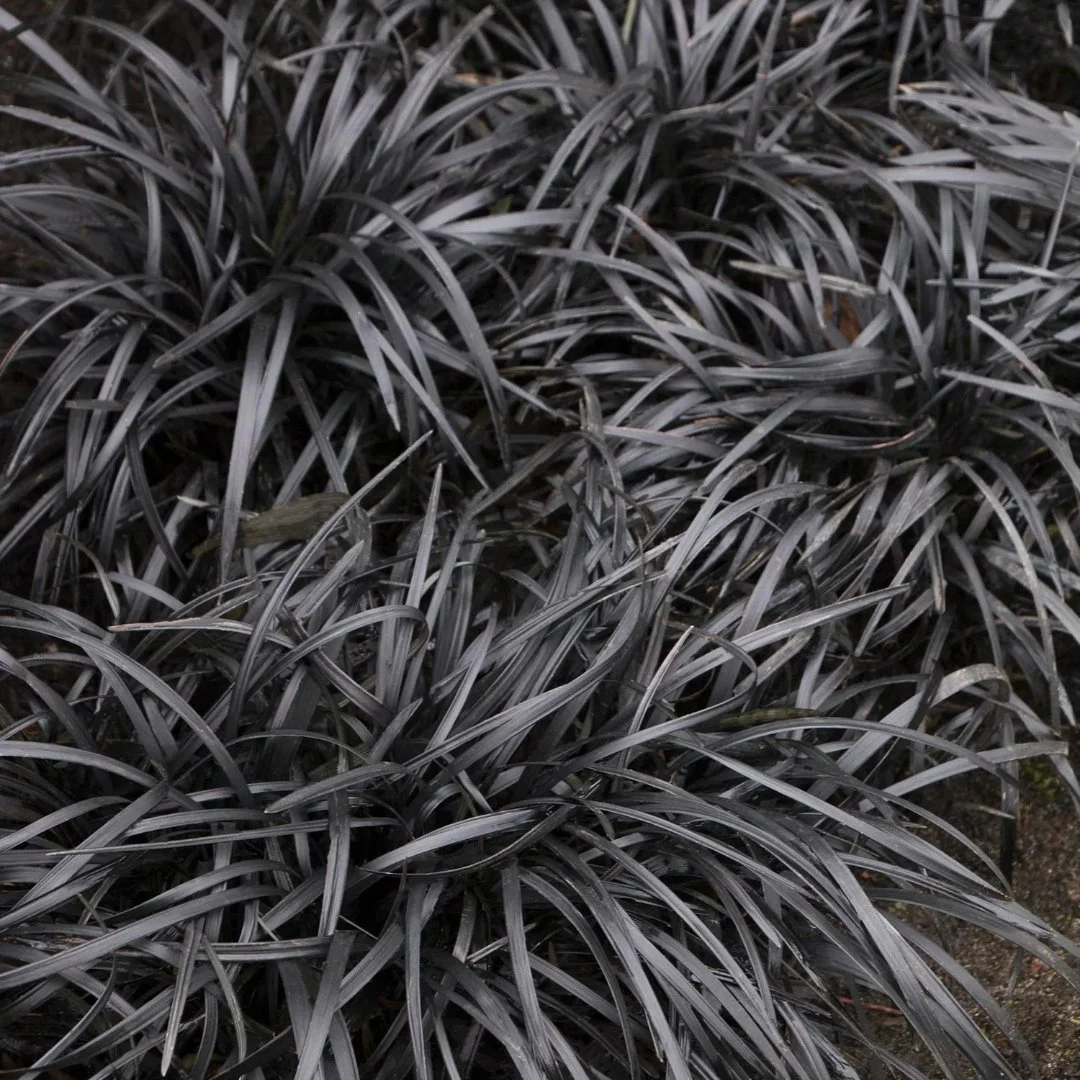
Ophiopogon planiscapus ‘Nigrescens’
Dogs: ✅ Generally considered non-toxic. Large amounts may still cause vomiting, diarrhea, drooling, or mild digestive irritation.
Cats: ✅ Generally considered non-toxic. The tough foliage may still cause mild digestive upset if heavily chewed.
Reptiles: This one depends heavily on the reptile.
Snakes and other non-plant-eating reptiles: ✅ Generally considered suitable.
Tortoises, iguanas, and other herbivorous or grazing reptiles: 🚫 Best avoided.
The rhizomes contain saponins, and there isn’t enough certainty about the type or concentration to call it appropriate for grazing animals.
Black Mondo Grass likes moist, well-draining soil, moderate-to-high humidity, and partial shade, so it may work nicely in some tropical or temperate setups but not dry desert ones.
Arachnids: ✅ Generally considered suitable when the environmental conditions match the plant.
Arachnids aren’t going to graze on the rhizomes, so the saponin concern is much less relevant. It can work especially well in more humid tarantula or scorpion setups.
6. Black Mamba Petunia
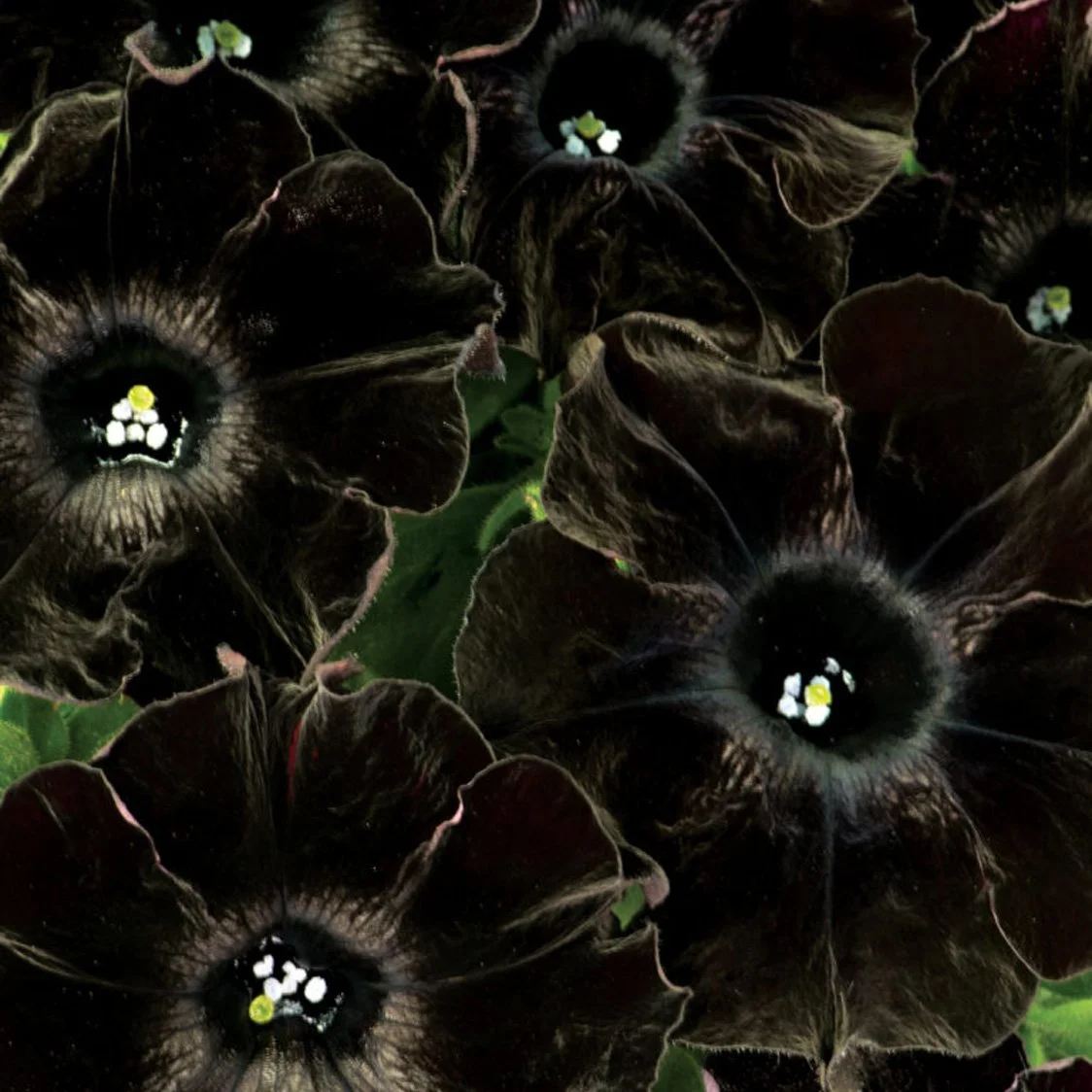
Petunia hybrida ‘Black Mamba’
Dogs: ✅ Non-toxic and considered safe. Large amounts can still cause mild GI upset.
Cats: ✅ Non-toxic and considered safe.
Important: Don’t confuse Black Mamba Petunia with Begonia ‘Black Mamba’. Begonias are toxic to dogs and cats.
Reptiles: ✅ Generally considered non-toxic and reptile-safe.
For herbivorous or omnivorous reptiles, I would still treat petunias as something to nibble rather than an unlimited food source.
The plant itself needs very bright light, consistently moist but well-drained soil, and good airflow. It may become leggy, lose its dark color, or die if the lighting isn’t strong enough.
The stems and flowers are also delicate, so larger reptiles may crush them.
Arachnids: ✅ Chemically non-toxic.
However, I wouldn’t call it an ideal arachnid enclosure plant. It wants strong light, moist soil, and good airflow, and if it declines in a warm, dim, poorly ventilated setup it can rot and contribute to mold or fungal growth.
So I’d call this one chemically safe but usually impractical.
7. Cookies & Cream Hibiscus
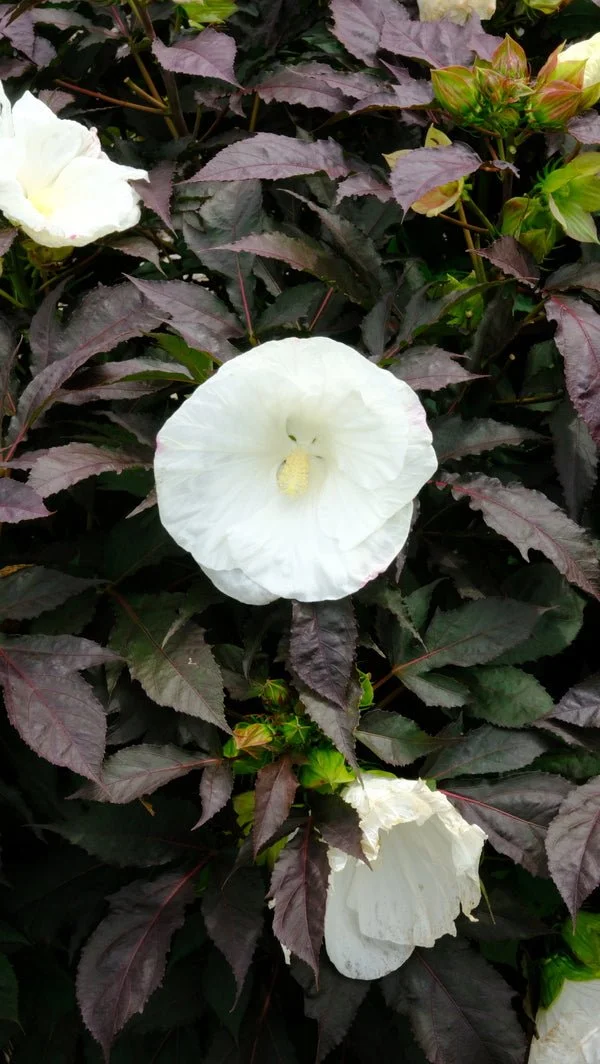
Hibiscus moscheutos ‘Cookies and Cream’
This one gets a special caution because I found conflicting information for dogs and cats.
Dogs: ⚠️ Generally considered low-risk, but sources are inconsistent. Some list this hardy hibiscus as non-toxic, while others warn that ingestion may cause mild gastrointestinal upset.
Cats: ⚠️ Same problem. Some sources treat hibiscus as non-toxic, while others note that hardy hibiscus hybrids may cause mild vomiting or diarrhea.
So for both dogs and cats I would call it:
Generally low-risk, but ingestion may cause mild GI upset and the published guidance is inconsistent.
Reptiles: ✅ Generally considered non-toxic. Hibiscus leaves and flowers are commonly used with some herbivorous and omnivorous reptiles.
This is a large upright plant, though, so it makes much more sense in a big or arboreal enclosure than in a small terrestrial one.
It may work for:
larger arboreal geckos
chameleons
other climbing reptiles with appropriately sized enclosures
It also needs very strong light and consistently moist, rich soil.
Arachnids: ✅ The plant itself appears non-toxic.
Because it can grow roughly 2–4 feet tall, it is only really practical in a very large arboreal setup. In a large enough enclosure, the upright structure could potentially provide climbing and webbing surfaces.
For terrestrial or fossorial arachnids, it’s simply too large and demanding.
8. Black Knight Scabiosa / Pincushion Flower
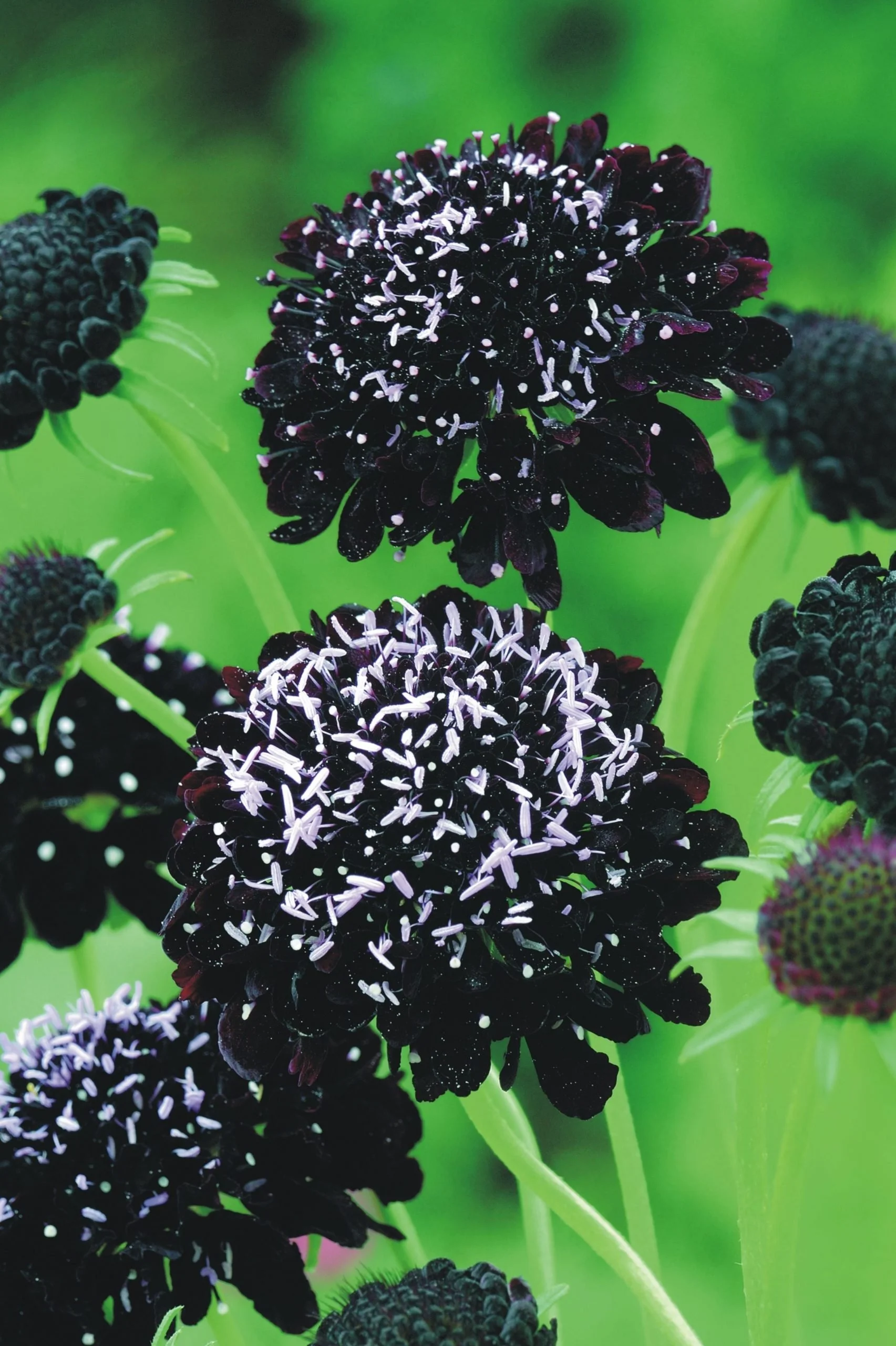
Scabiosa atropurpurea ‘Black Knight’
Dogs: ✅ Non-toxic and considered safe. Large amounts could still cause mild stomach upset.
Cats: ✅ Non-toxic and considered safe.
Reptiles: ✅ The plant itself is considered non-toxic.
However, it’s generally a poor long-term enclosure plant. Black Knight Scabiosa likes:
full sun
relatively dry, well-draining soil
temperate conditions
good airflow
It can also grow around 2½–3 feet tall with fairly slender stems, which active reptiles can easily crush or snap.
Arachnids: ✅ Chemically non-toxic.
But again, it’s usually a poor husbandry match. Most arachnid enclosures don’t provide the intense light and dry, airy conditions the plant wants.
If it begins declining and rotting, that dying plant material can invite mold, fungus, and unwanted mites.
So this is another non-toxic but usually impractical plant.
9. Penny Black Baby Blue Eyes
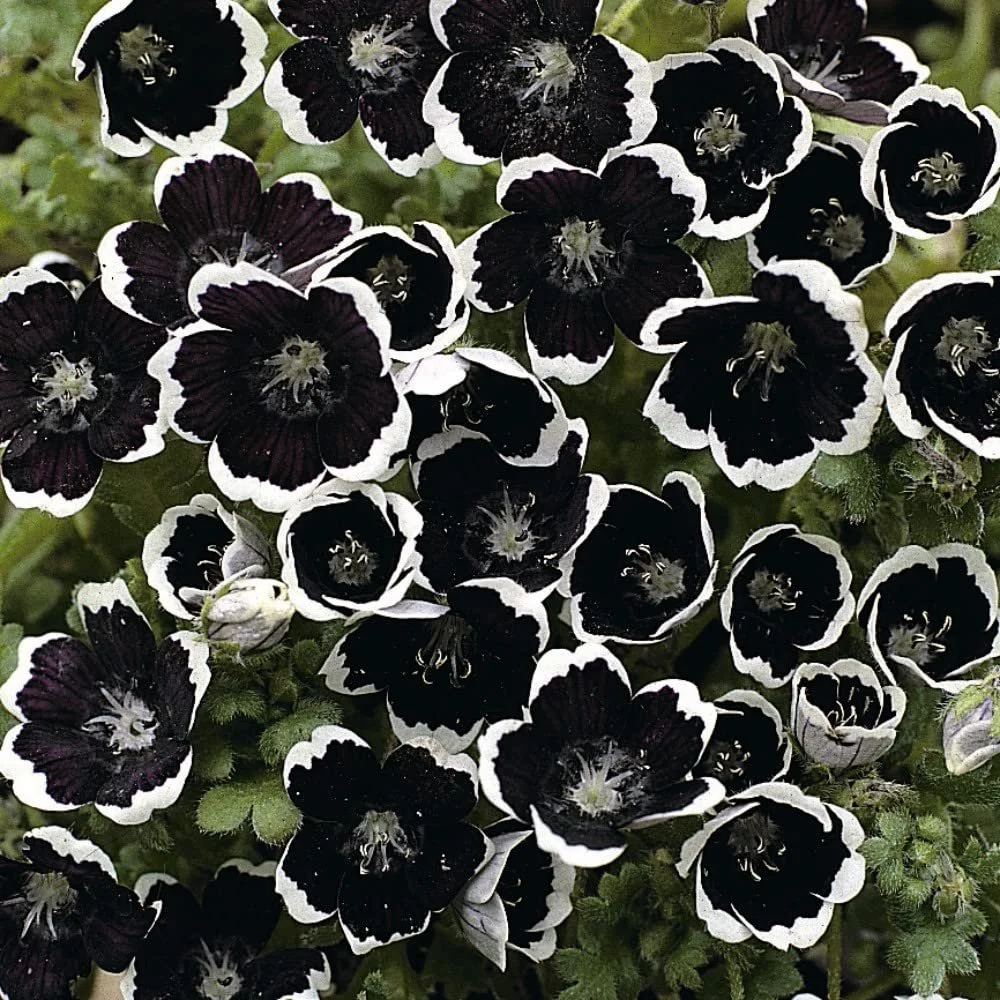
Nemophila menziesii ‘Penny Black’
Dogs: ✅ Generally considered non-toxic and pet-friendly.
Cats: ✅/⚠️ Generally considered low-risk, but it has less formal documentation than some plants that appear directly on major poison-control lists.
There are no known major toxins associated with it, but eating a large amount may still cause mild digestive irritation.
Reptiles: ✅ Generally considered non-toxic and safe if nibbled.
The problem is longevity and durability. This is a cool-season annual, so it prefers cooler conditions, moist but well-drained soil, and full sun to partial shade.
It’s also delicate and likely to be destroyed by a heavy or active reptile.
Because it is short-lived, it will eventually die back, and the decaying plant material should be removed promptly.
Arachnids: ✅ Chemically and physically considered safe. It has soft foliage, no sharp spines, and no latex-type sap.
However, I would still steer people away from using it in most arachnid enclosures because it is short-lived and needs stronger light than many spider setups provide.
When it dies back, the decaying organic material can encourage mold, fungus, and pest mites.
10. Green Wizard Rudbeckia
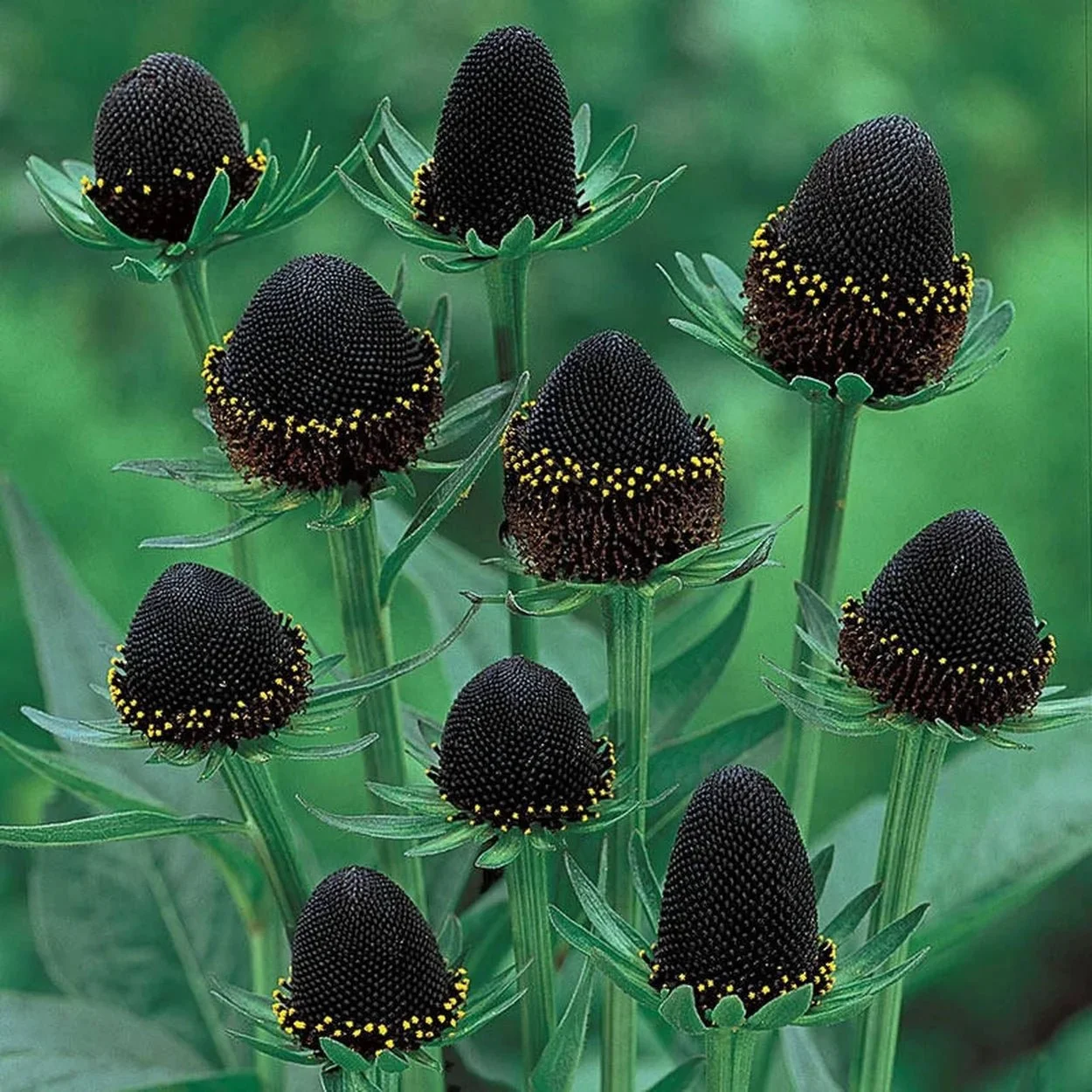
Rudbeckia occidentalis ‘Green Wizard’
Dogs: ✅ Generally considered non-toxic. The coarse leaves and stems may still cause mild mouth irritation or stomach upset if heavily chewed.
Cats: ✅ Generally considered non-toxic. Same caveat about rough foliage.
Reptiles: 🚫 Best avoided.
Although Rudbeckia occidentalis is generally described as non-toxic to dogs and cats, the broader Rudbeckia genus has a reputation for toxicity in some grazing livestock, including cattle, sheep, pigs, and horses.
Because of that mixed toxicity picture, plus the lack of solid reptile-specific safety data, I would not use it with reptiles that may sample plants.
It’s also enormous. Green Wizard can reach roughly 5–7 feet tall, requires lots of light, and prefers consistently moist soil.
Arachnids: 🚫 Not appropriate for spider enclosures.
A plant this tall would require a much taller enclosure, and extra vertical space can create a serious fall risk for heavy-bodied terrestrial tarantulas. A fall can rupture a tarantula’s abdomen.
The tall stems also create climbing opportunities you don’t want in a terrestrial tarantula enclosure.
Even for arboreal spiders, it’s simply too large and demanding for most setups.
11. Black Baccara Rose
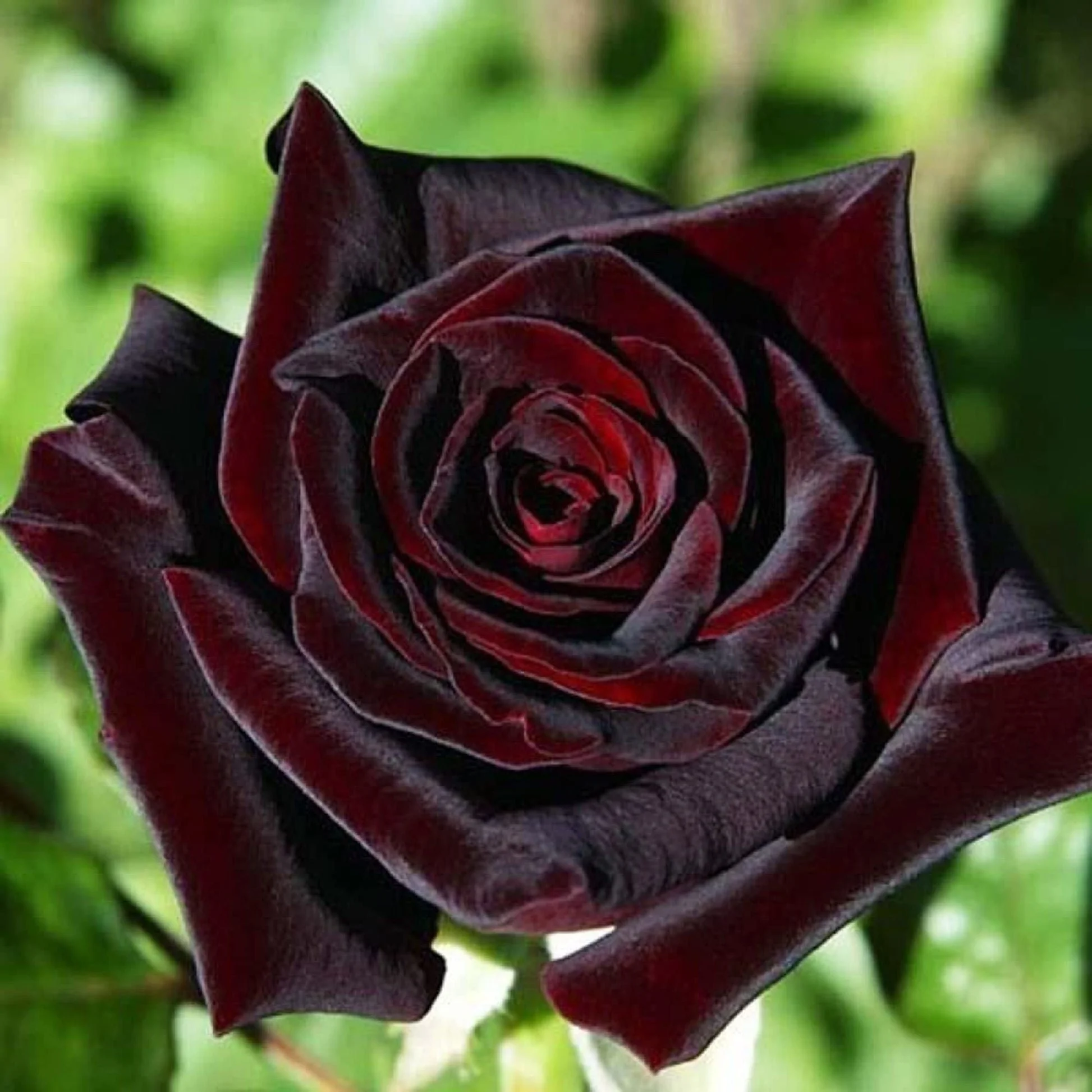
Rosa hybrid ‘Black Baccara’
Dogs: ✅ The rose itself is non-toxic.
⚠️ But the thorns are a real physical hazard. They can cut the mouth, tongue, lips, nose, paws, or skin, and swallowed thorns could potentially cause internal injury.
Cats: ✅ The rose itself is non-toxic.
⚠️ Again, the thorns could pose a danger. They can scratch or puncture the paws, nose, eyes, mouth, or skin, and thorny stem material could cause internal injury if swallowed.
Reptiles: 🚫 Hard no for enclosure use.
The issue here isn’t poisoning. It’s mechanical injury. Thorns can puncture delicate skin, eyes, mouths, or feet.
Arachnids: 🚫 Hard no.
A thorn puncturing the abdomen or another soft area of a tarantula or spider could be catastrophic.
So while roses themselves are chemically non-toxic, I would never use a thorny rose in a reptile or arachnid enclosure.
12. Black & Dark Viola Varieties
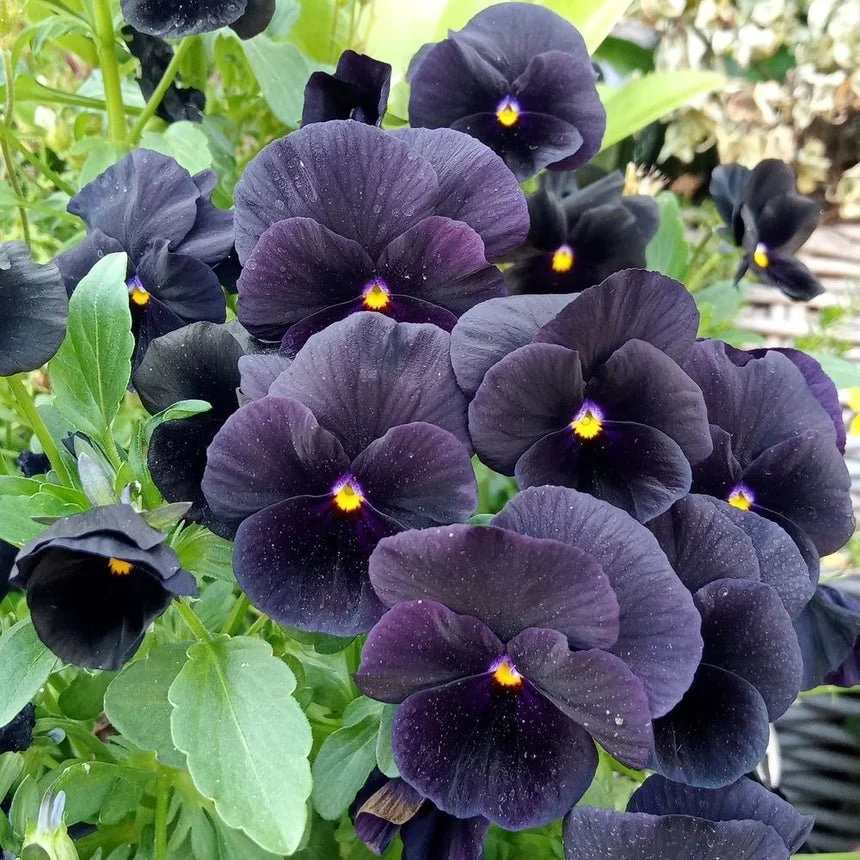
Viola spp.
Some beautiful dark options include:
‘Molly Sanderson’
‘Bowles’ Black’
‘Back to Black’
‘Black Magic’
‘Black Devil’
other deep purple or near-black violas and pansies
Dogs: ✅ Non-toxic and considered safe.
Cats: ✅ Non-toxic and considered safe.
The black or dark coloring comes from pigmentation and does not change the toxicity profile.
Reptiles: ✅ One of the better options on this list from a toxicity standpoint.
Violas and pansies are commonly used as edible plants for herbivorous and omnivorous reptiles, including:
tortoises
bearded dragons
iguanas
The leaves and flowers can be eaten.
The biggest limitation is climate. Violas prefer cooler temperatures, bright light, good airflow, and moist but well-drained soil. They may struggle in very hot tropical setups or directly under basking heat.
Arachnids: ✅ The plant itself is non-toxic and physically safe.
Violas do not have sharp spines, caustic latex sap, or strong aromatic oils.
They are best suited to cooler, well-ventilated setups and may be a poor fit for very warm, humid, stagnant enclosures.
13. Calathea ‘Dottie’
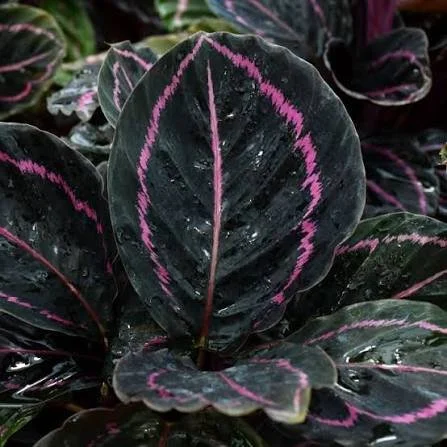
Goeppertia roseopicta ‘Dottie’
Dogs: ✅ Non-toxic and considered safe. Eating a large amount could still cause mild stomach upset.
Cats: ✅ Non-toxic and considered safe. Calatheas do not contain the calcium oxalate crystals that make many common houseplants dangerous to cats.
Reptiles: ✅ A very good option for the right type of enclosure.
Calathea ‘Dottie’ works especially well in warm, humid tropical reptile setups. It likes:
high humidity
warm temperatures
consistently moist but well-drained soil
bright indirect light
Its broad leaves can also provide useful cover and hiding spots.
It is not a good fit for arid reptiles, because the moisture and humidity it needs can conflict with desert-style husbandry.
Arachnids: ✅ A good option for tropical, humidity-loving arachnids.
The plant is non-toxic, has no sharp spines or irritating latex-type sap, and the broad leaves can provide cover, climbing surfaces, and webbing structure.
Possible good matches include:
Avicularia species
Caribena versicolor
many tropical jumping spiders
some humid-forest scorpions
⚠️ It is not a good match for arid spiders, such as an Arizona blonde tarantula (Aphonopelma chalcodes), Chaco golden knee, rose hair tarantulas, Greenbottle blue tarantulas, and other dry-adapted terrestrial species.
The issue is not toxicity. The plant simply needs more consistent moisture and humidity than those spiders should have.
Calatheas are also prone to spider mites, so careful quarantine is especially important.
14. Echeveria ‘Black Prince’
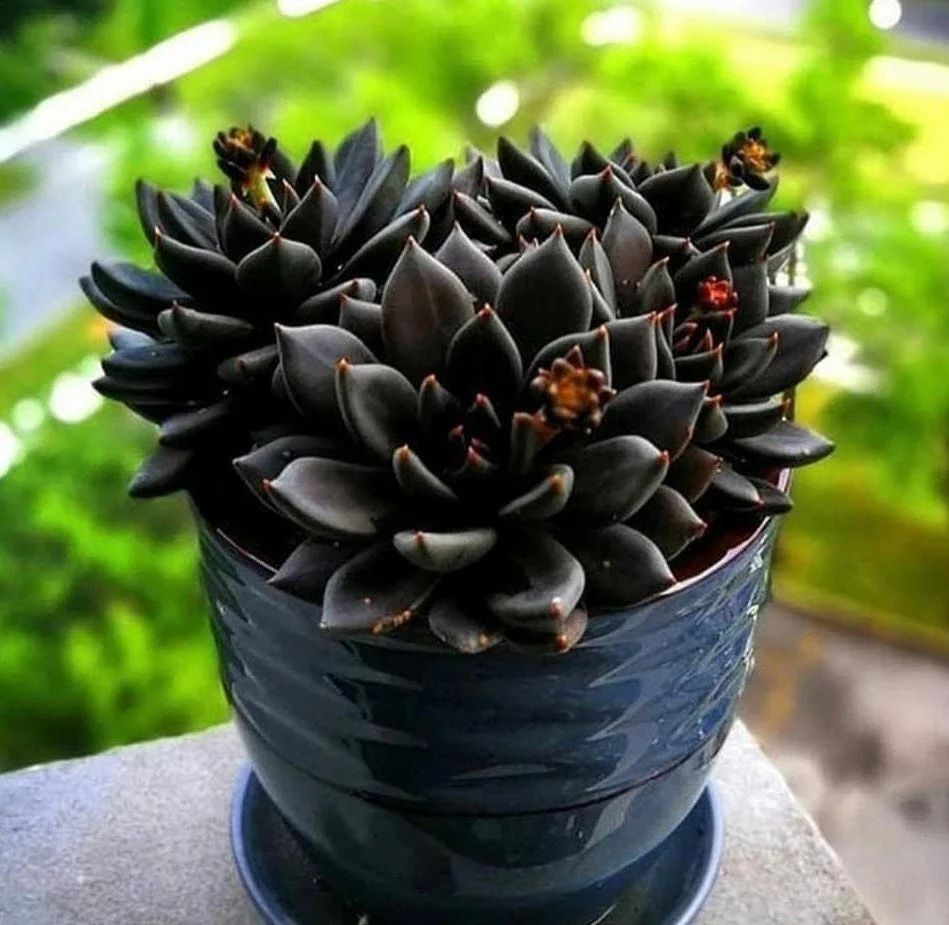
Dogs: ✅ Non-toxic and considered safe. Large amounts may still cause mild stomach upset.
Cats: ✅ Non-toxic and considered safe. It does not have dangerous caustic sap or known toxic compounds.
Reptiles: ✅ Generally considered safe and non-toxic, especially for arid or desert-style enclosures.
It prefers:
bright light
dry, well-draining soil
lower humidity
It is not a good fit for tropical or high-humidity reptile enclosures, because the plant can rot in consistently damp conditions.
It is also somewhat fragile, so large or heavy reptiles may crush the fleshy leaves.
Arachnids: ✅ One of the better dark plants for arid or desert arachnids.
Because Echeveria ‘Black Prince’ stays fairly low, it does not create the same vertical fall-risk problem as tall plants.
It can be a good environmental match for species such as:
Arizona blonde tarantula (Aphonopelma chalcodes)
other dry-adapted Aphonopelma
some other arid terrestrial tarantulas
some arid scorpions
It is not a good match for tropical, humidity-loving arachnids, because the moisture those animals need may cause the plant to rot.
15. Dark Opal Basil
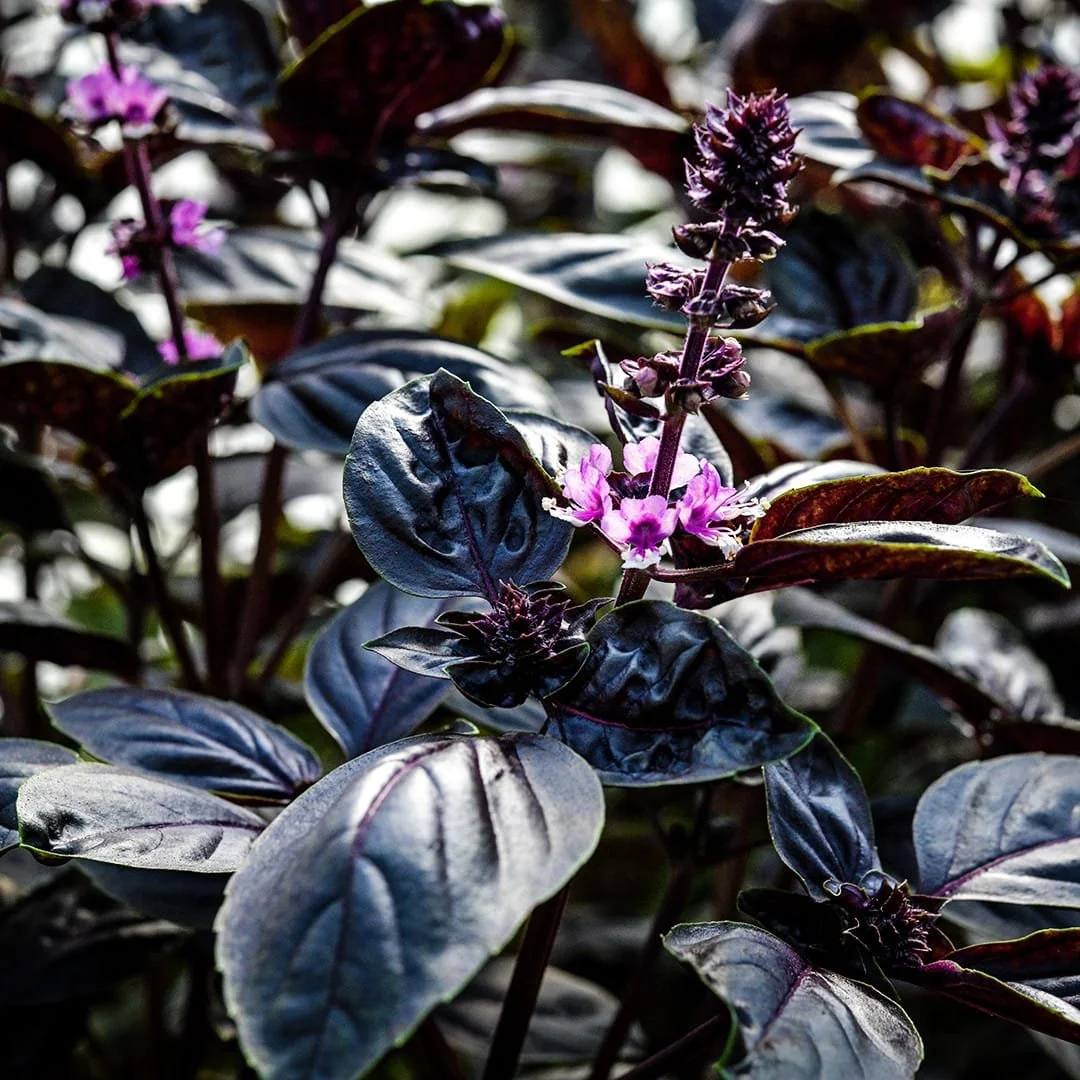
Ocimum basilicum ‘Dark Opal’
Dogs: ✅ Non-toxic and considered safe.
Cats: ✅ Non-toxic and considered safe.
As always, large amounts may cause mild digestive upset.
One important distinction: concentrated basil essential oil or extracts are NOT the same thing as the living basil plant.
Reptiles: ✅ Generally considered non-toxic.
Herbivorous and omnivorous reptiles, including bearded dragons, can nibble basil, although I would treat it as an occasional edible plant rather than a dietary staple.
Dark Opal Basil likes:
lots of bright light
warm temperatures
regular moisture
well-draining soil
It may struggle in extremely dry desert enclosures, but it also won’t appreciate constantly waterlogged tropical conditions.
Without enough light, its beautiful dark-purple foliage can fade or become greener.
Arachnids: 🚫 I would avoid this one.
Basil naturally contains strong aromatic compounds and volatile oils, including compounds such as linalool and eugenol.
There simply isn’t enough arachnid-specific safety information for me to feel comfortable putting a strongly aromatic herb into a small enclosed habitat with animals as chemically sensitive as spiders and scorpions.
So this one is:
Safe for dogs, cats, and many reptiles, but best avoided with arachnids.
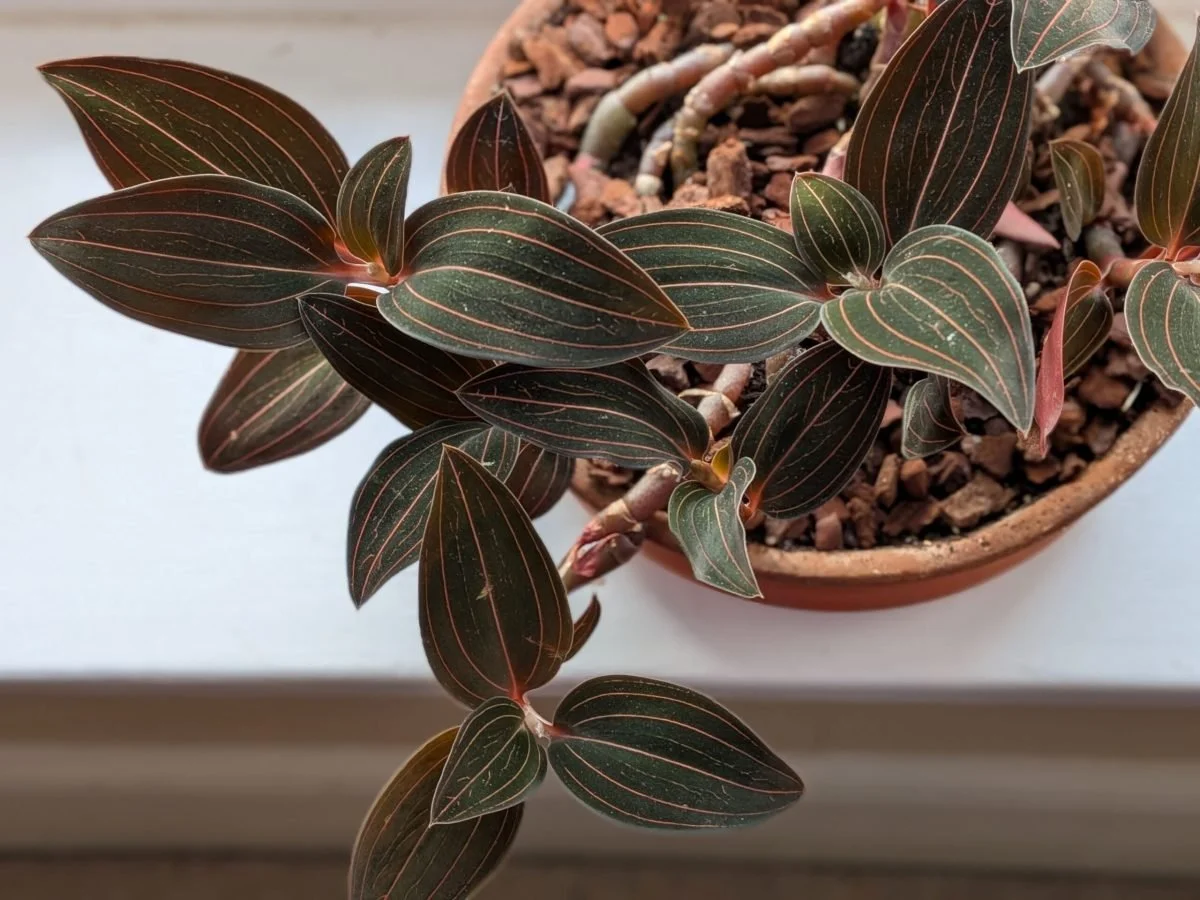
16. Black Jewel Orchid
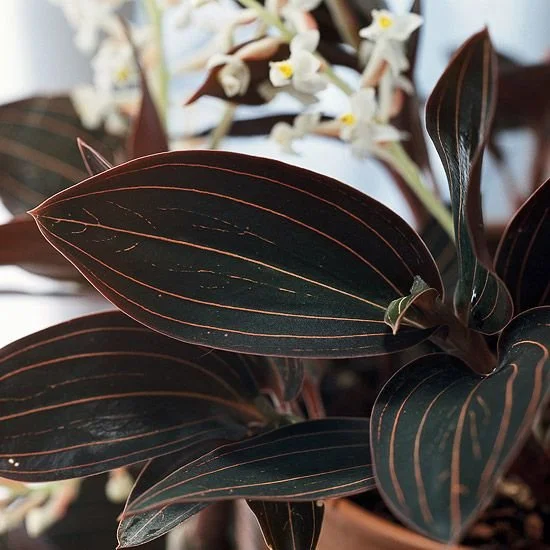
Ludisia discolor
Also sometimes listed under the synonym Haemaria discolor
Dogs: ✅ Non-toxic and considered safe.
Cats: ✅ Non-toxic and considered safe.
A little nibbling isn’t considered poisoning, although eating a lot of plant material may still cause mild vomiting or diarrhea.
Reptiles: ✅ Safe, and potentially a really nice plant for humid tropical enclosures.
Black Jewel Orchid is a terrestrial orchid, meaning it grows on the ground rather than clinging to trees like many other orchids.
It likes:
high humidity
consistently moist but well-draining substrate
low to medium indirect light
protection from intense hot basking light
It is not a good match for dry desert reptiles.
Arachnids: ✅ Potentially a great option for humid tropical arachnids.
It is low-growing, likes moisture, does well under lower light, and has no known harmful toxins or irritating sap.
It may work nicely with:
some jumping spiders
tropical moisture-loving spiders
other humid arachnid setups
It is not a good fit for arid species such as an Arizona blonde because the plant needs far more moisture than those animals do.
VERY IMPORTANT: “NON-TOXIC” DOES NOT AUTOMATICALLY MEAN ENCLOSURE-SAFE
This applies to EVERY SINGLE PLANT ABOVE.
A plant may be completely non-toxic as a species and still be dangerous because of how it was grown.
Commercial nurseries, big-box stores, garden centers, florists, and even some online plant sellers may use:
pesticides
systemic insecticides
herbicides
fungicides
chemical fertilizers
growth regulators
leaf-shine products
treated potting soil
other chemical products
This is especially important with arachnids and other invertebrates, because many pesticides are literally designed to kill arthropods.
A plant being labeled “organic” also doesn’t automatically answer every question you need answered. If you plan to put a live plant into a reptile or arachnid enclosure, ask the vendor specifically:
Has this plant been treated with any pesticides, systemic insecticides, herbicides, fungicides, or chemical fertilizers?
If they don’t know, I would treat that plant as potentially treated.
How I would prepare a plant before enclosure use
If you aren’t growing the plant yourself from untreated seed or buying it from a trustworthy bioactive/reptile-safe grower, I would give it a quarantine period.
Remove the plant completely from its nursery pot.
Gently remove as much of the original soil from the roots as possible.
Rinse the roots thoroughly with plain water.
Rinse the leaves, stems, and undersides of the leaves as well.
Repot it into fresh, animal-appropriate substrate with no added chemical fertilizer or pesticide.
Keep the plant completely separate from the animal enclosure while it establishes new growth.
Watch closely for pests such as:
spider mites
fungus gnats
aphids
mealybugs
scale
unwanted mites
I would allow several weeks at minimum, and longer when the plant’s treatment history is unknown.
One really important thing to understand is that washing the outside of a plant does NOT necessarily remove systemic pesticides. Systemic products are absorbed into the plant’s tissues. If you know or strongly suspect that a plant was treated with a systemic insecticide, the safest choice for a sensitive enclosure animal may simply be to use a different plant or grow your own from untreated seed/cuttings.
And always remove any:
fertilizer pellets
treated nursery soil
decorative moss
perlite or other inappropriate potting additives if your animal may ingest them
plant tags, wires, clips, or stakes
The enclosure still needs to match BOTH
A final thing I learned while putting this together is that plant safety isn’t just about poison.
A tropical plant that needs constantly damp soil doesn’t belong with a desert tarantula just because the leaves are non-toxic.
A plant that wants full sun may not belong with an animal that needs a dim enclosure.
A 7-foot plant obviously doesn’t belong in a terrestrial tarantula enclosure.
A thorny rose doesn’t belong with a reptile or spider even though roses themselves are non-toxic.
And a delicate annual that quickly dies and molds may create more problems than it solves.
So before choosing any live plant, look at:
toxicity + physical safety + mature size + humidity + temperature + lighting + airflow + substrate + your animal’s natural behavior.
That combination is what actually determines whether a plant belongs in an enclosure.
And again, I specifically researched dogs, cats, reptiles, and arachnids for this post. I did not verify these plants for insects such as beetles or praying mantises, millipedes, or frogs/other amphibians, so please do species-specific research before using them with those animals.
Happy spooky planting. 🖤🌿