Understanding the Color-Point Aging Process
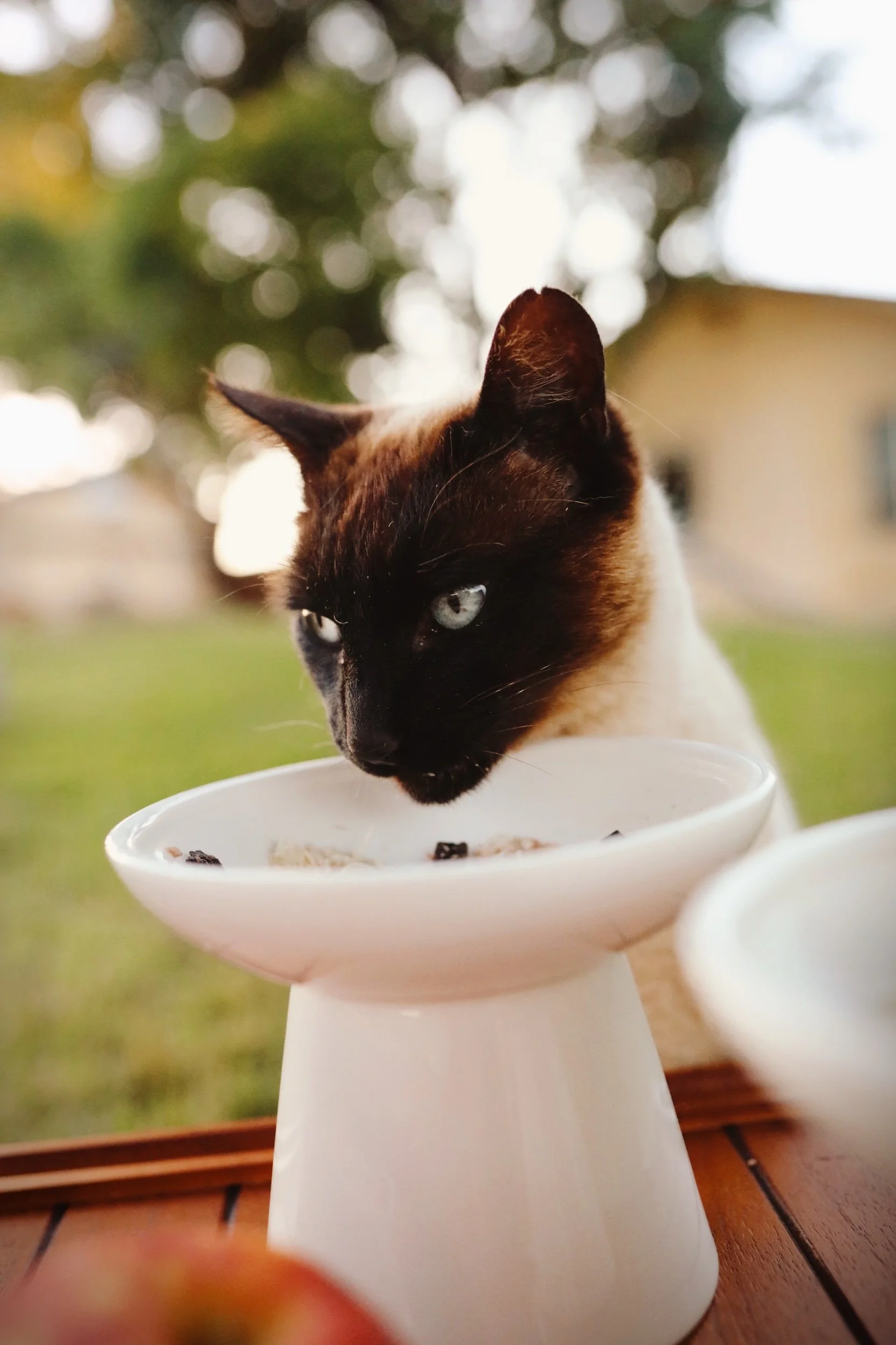
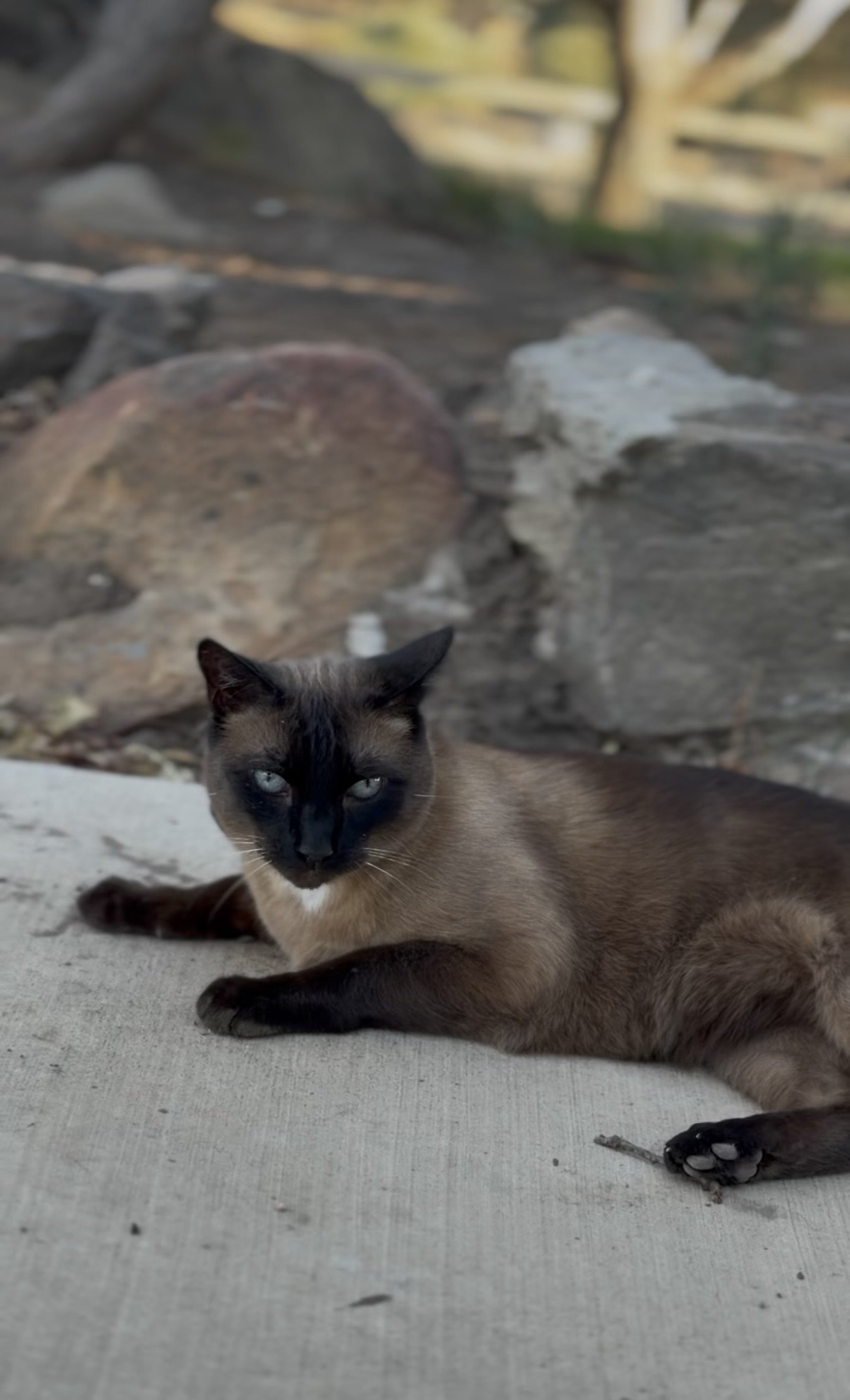

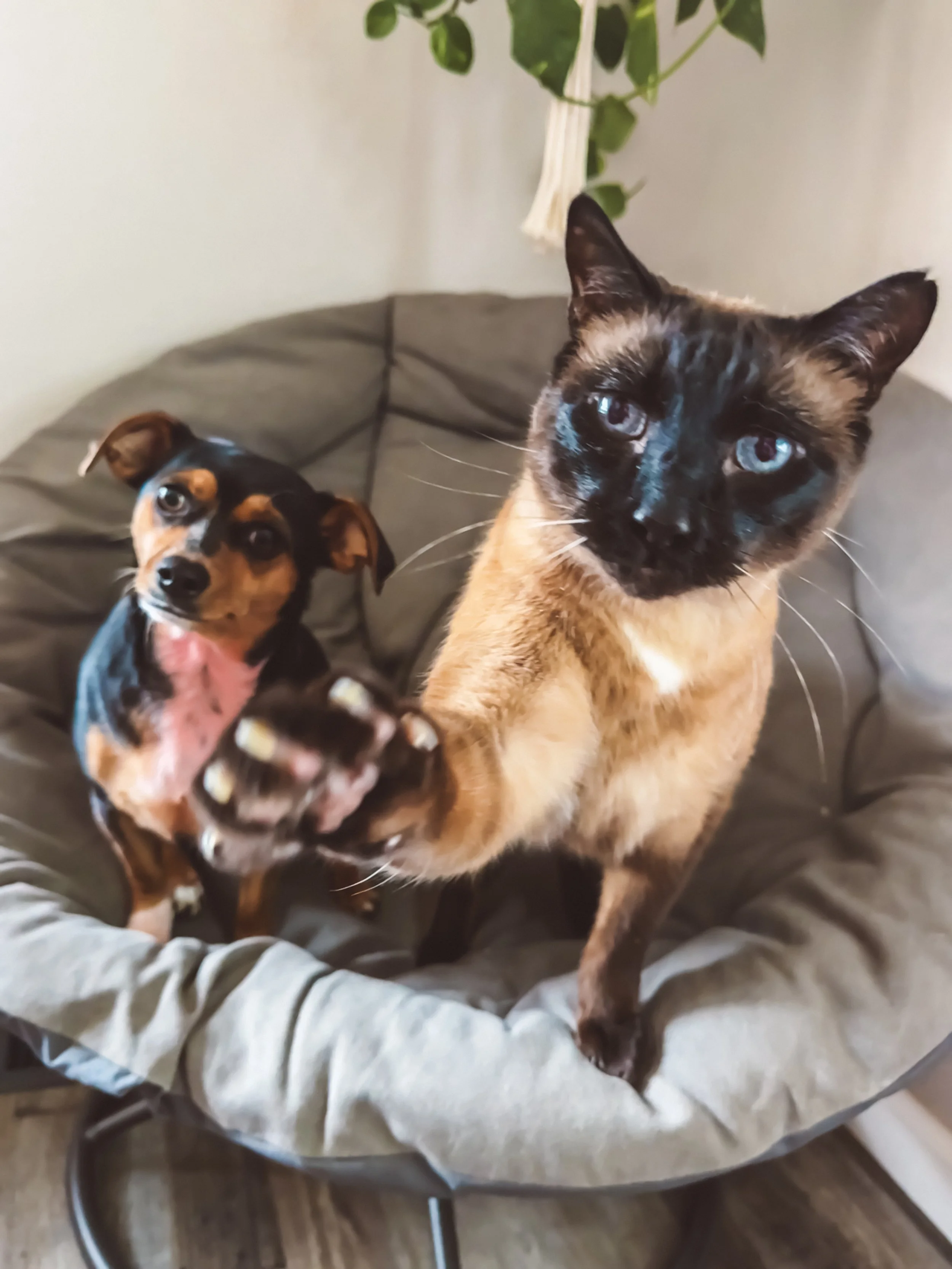
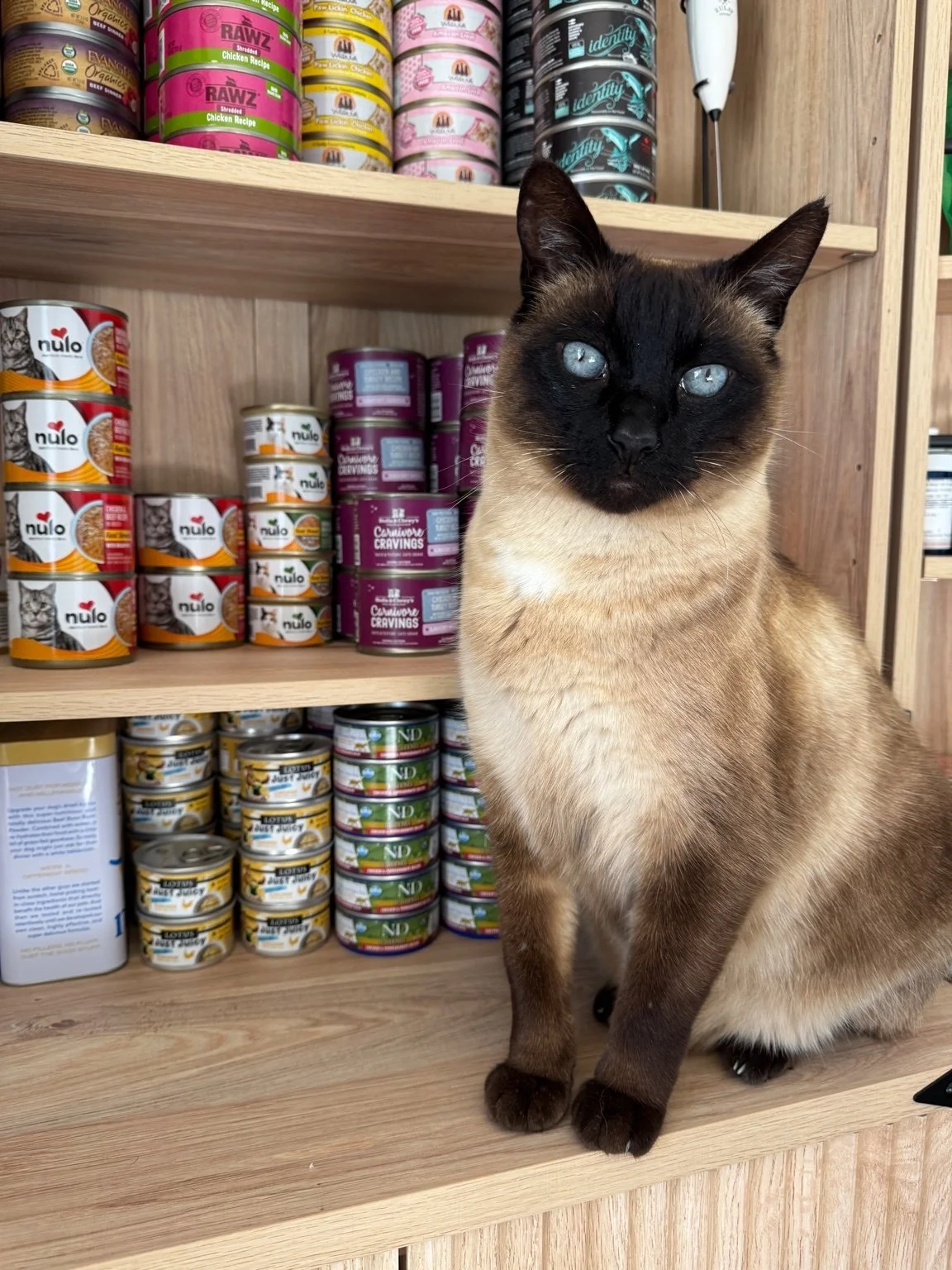
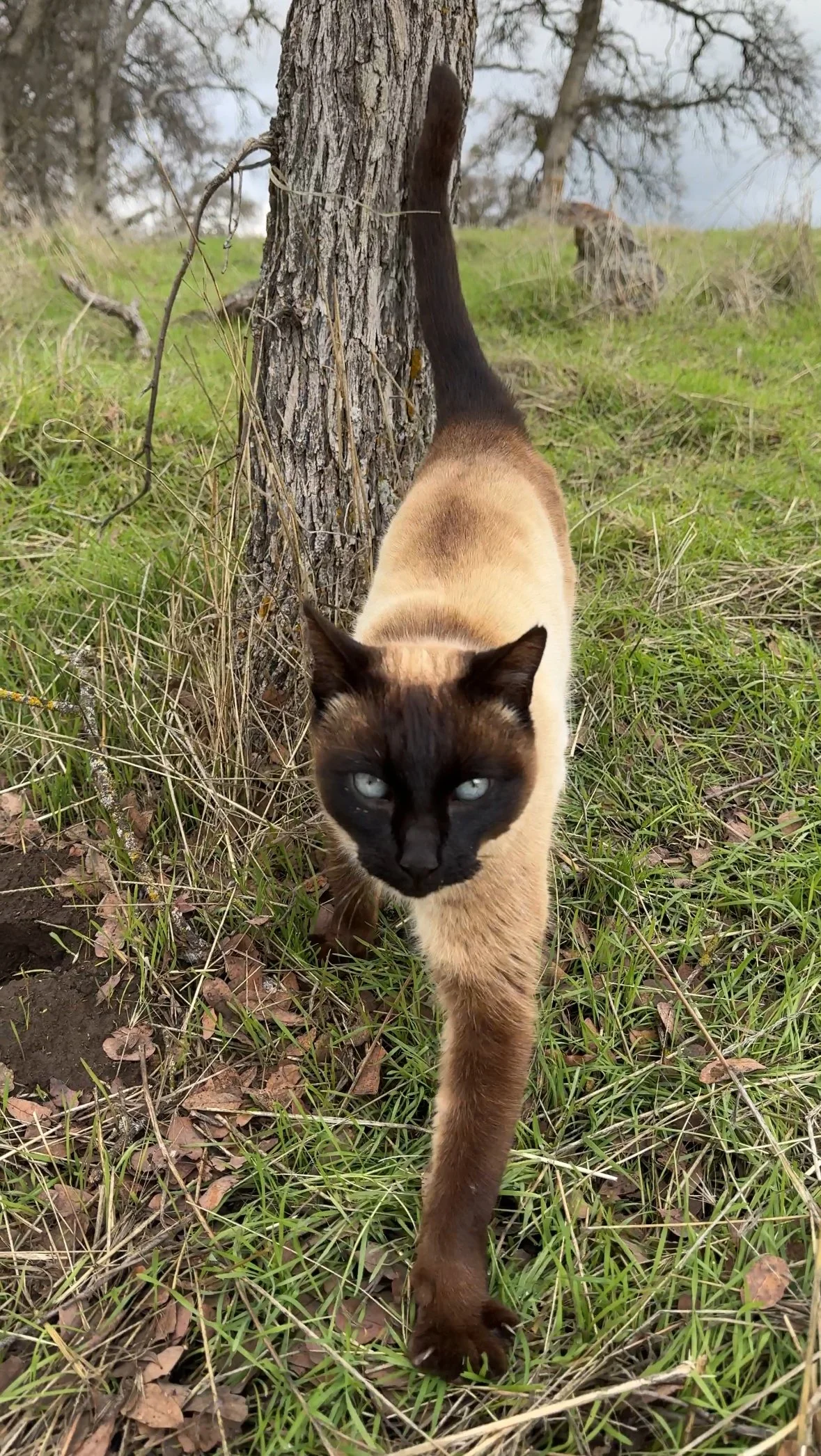
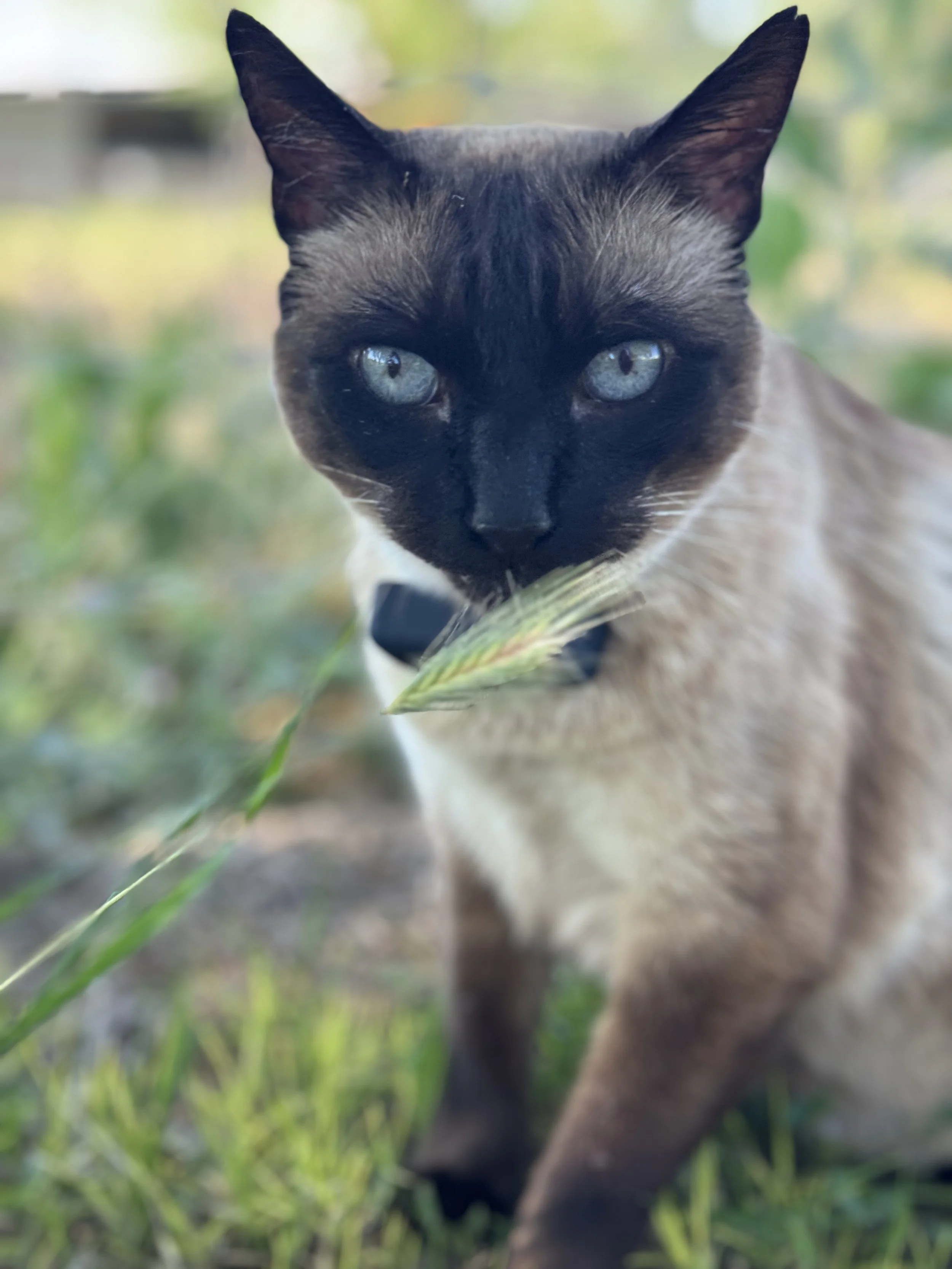
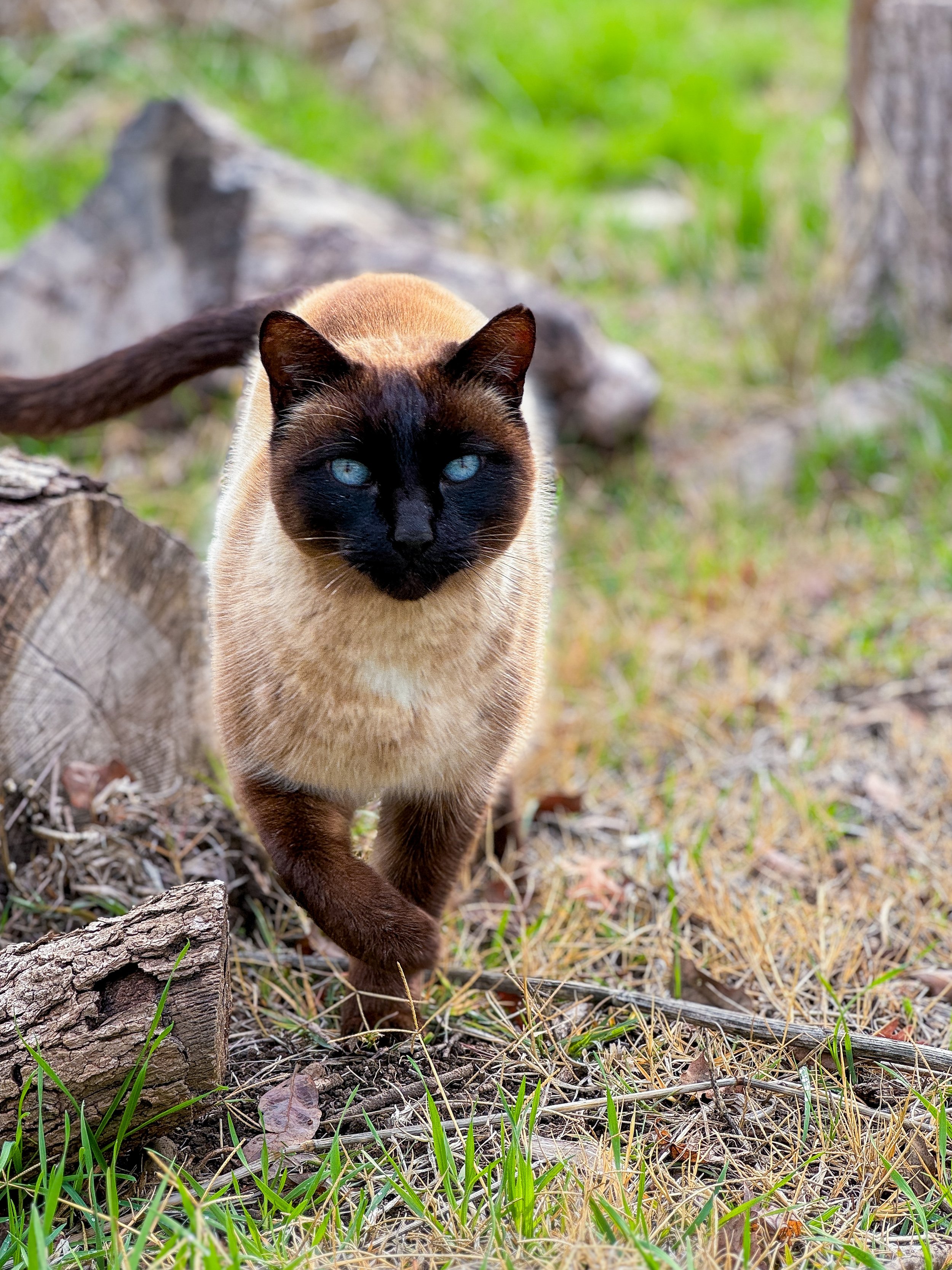
I started wondering about this a lot over the past year… Why did my cat stay dark this year?
He’s always had this predictable coat cycle: he’d get get darker in the winter, and then lighten back up in the spring and summer. But this year, he didn’t lighten. He didn’t return to that warm tan shade he’s had for years. Just deep, rich brown. Constantly, for almost a full year now.
For the longest time, I always called him “Siamese” because of his coloring. That classic dark mask and tan body. I know he’s not actually Siamese at all by breed, he’s actually a domestic cat with a pointed coat pattern.
Anyway, I’m gonna go off on a tangent for a bit real quick before we move on, because this is important … There IS a difference between a true Siamese cat vs. a color-pointed domestic cat.
People use “Siamese” to describe a look, but genetically, that look can show up in many cats who are not Siamese.
A true Siamese:
comes from the Thai (formerly Siam) lineage
has a very stable, predictable version of the color-point gene
has distinct breed traits (voice, temperament, body type, head shape)
is part of a closed, recognized breed group
has consistent coat development throughout life
A color-pointed domestic cat (like mine):
is NOT Siamese genetically
has the same type of color-point gene, but inherited through mixed ancestry
often carries multiple breed backgrounds
expresses the coat pattern in more dramatic, unpredictable ways
darkens much more with age than pure Siamese
So even though my cat looks Siamese, his genetics work very differently, and that difference explains exactly why he’s stayed dark this year and didn’t lighten again.
Now we can get into the color-point gene & why cats like him change color over time.
Color-point cats (Siamese-type coloring) have a mutation in the tyrosinase gene; the enzyme that creates pigment. This mutation makes pigment appear only on the cooler parts of the body, which is why:
warm torso = lighter
cool extremities = darker
But this light/dark pattern changes with age. As cats get older, their bodies cool slightly, especially around the back and torso, which activates more pigment.
This is “senior darkening”, it happens between the ages of 10–13
Color-point cats darken gradually their entire lives, but around age 10–13, something shifts permanently:
✔ skin temperature drops
✔ metabolism slows
✔ circulation changes
✔ muscle mass decreases
Cooler skin = more pigment. His skin temperature no longer blocks pigment.
More pigment = a darker coat that no longer lightens seasonally
My boy is over 13, but this started when he was 12, which is the exact age range where seasonal lightening stops, the coat becomes permanently dark and the darkening effect accelerates.
This explains why two years ago he still went from light → dark → light again…
and then this last year he went dark and stayed dark.
Here’s a huge (and fascinating) part of the story, mixed color-point cats tend to darken MUCH more dramatically with age than true Siamese. Pure Siamese have a more refined, predictable version of the gene and mixed-breed pointed cats have a wilder, more pigment-intense version. This is where your cat’s DNA really matters.
I did a DNA test on him years ago and his breeds contribute to the darkening:
Ragdoll: Famous for getting very dark as adults and seniors.
Maine Coon: Heavier coat + cooler skin → deeper pigment activation.
American Shorthair / Egyptian Mau / Bengal: Bring dense pigment pathways that intensify shading with age.
Polyclat ancestry: Adds unpredictability and often results in darker shading later in life.
Put all of this together and my cat was genetically destined to darken as a senior.
Like my kitty, most “Siamese-looking” cats are actually Western mixes with a single color-point gene. These mixes almost always deepen in color permanently between ages 11–14. No part of this is unusual. It’s exactly how this type of gene behaves.
This past year was the first time his metabolism, circulation, and temperature regulation shifted enough that his body no longer warms the torso enough to block pigment.
So the winter darkening stayed, the summer lightening never returned and he now has a rich dark coat year-round. Although I must add that this summer he’s been spending a lot of time out in the summer heat and his coat did lighten ever so slightly but he’s still definitely more of a brown cat now. This is all normal for senior pointed cats, especially mixed ones.
Permanent darkening IS normal.
So to reiterate, here are the most common reasons color-pointed cats stay dark as they age:
senior metabolism
lower skin temperature
mixed ancestry with pigment-heavy genes
natural age-related darkening
stable indoor temperatures
breeds like Ragdoll or Maine Coon in their DNA
My (and your) senior pointed-pattern domestic cat becoming a deep chocolate color is exactly what science predicts. Once they stay dark for a full year, they rarely lighten again.
If a color-point cat stays dark through spring, summer & fall … it means the coat has entered its final adult/senior stage. Seasonal lightening usually stops completely at this point and it “probably” will never get lighter again. This is Mocha’s new normal; he is healthy, this is expected, and it is common. This is just genetics doing what genetics do. Although I actually didn’t expect it because I didn’t know until I began to research it, but now I know it is expected.
It is not a health issue, his darkening is normal for a mature pointed cat. I will add that sudden lightening might require a quick check with the vet though because it can be thyroid-related.
I’ve gotta say that I have absolutely loved his appearance thru every season of life so far but he looks so handsome in his rich, dark senior coat. His electric blue eyes pop even more now!