
A New Adventure May Be Coming in 2027🌎 … Help Me Choose My Herpetology & Entomology Expedition Destination! 🐍🦎🕷️🪲
I’ve been traveling since I was a child and have now been blessed to visit nearly 50 countries, many of them more than a handful of times. Before retiring from the travel industry a couple of years ago, I spent 15 years leading group trips all over the world. My groups ranged from just 4 people to as many as 40, and one of my favorite parts of the job was introducing travelers to incredible places most of them had never even heard of before finding me.
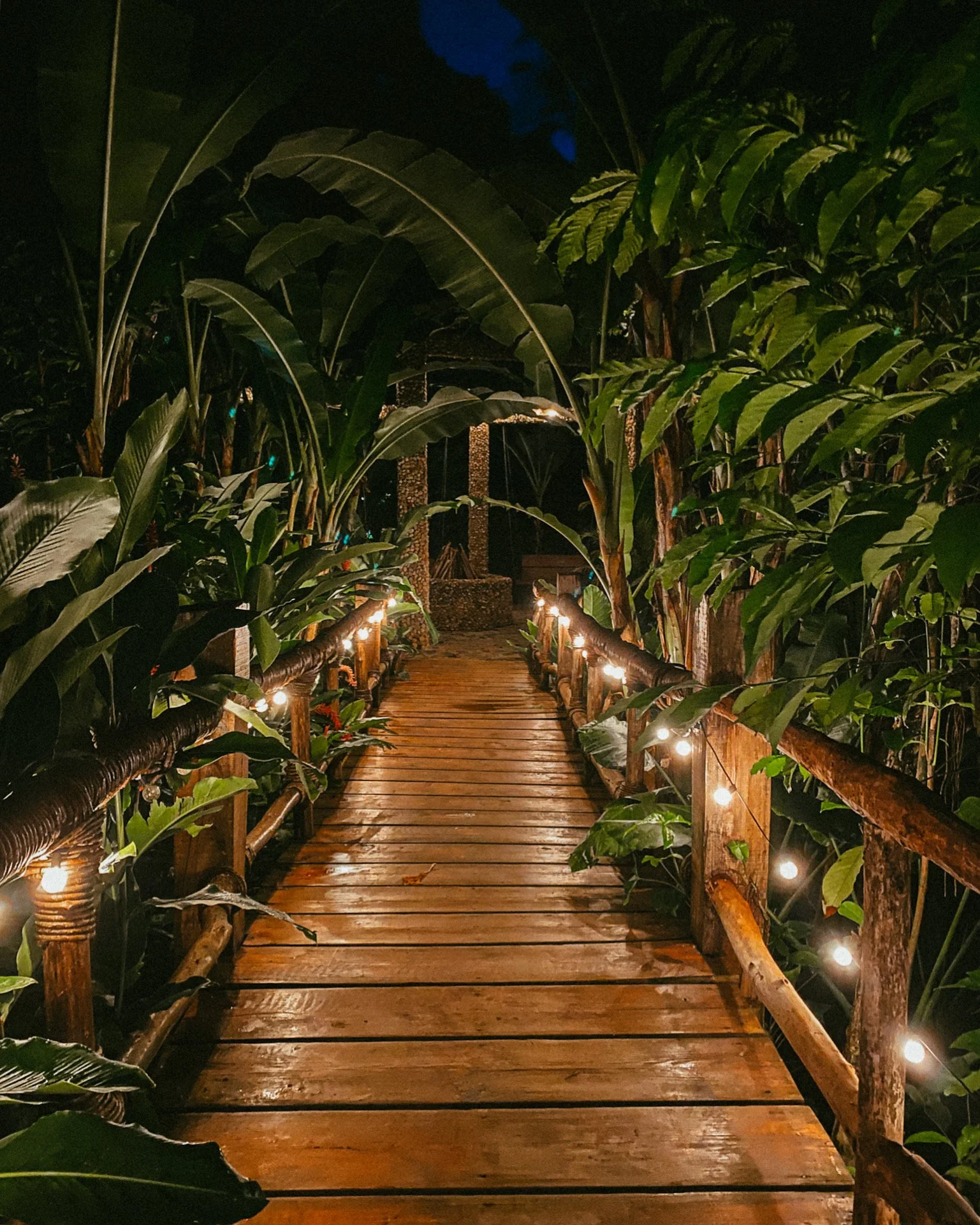
Accommodations from one of the group trips that I lead in the past
I’m not quite ready to jump back into organizing and leading group trips just yet, but in addition to a pilgrimage I’m hoping to lead next year to France, I’ve also been praying about offering something I’ve dreamed of for a long time.
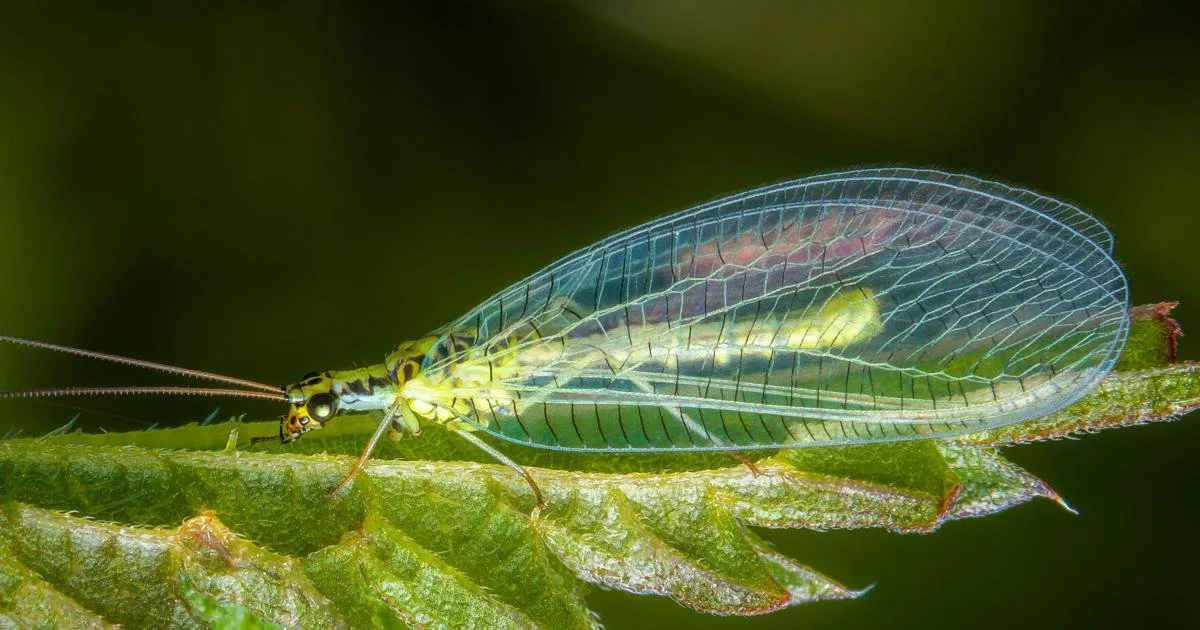
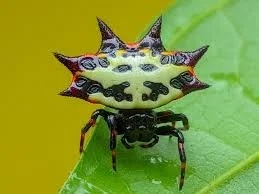
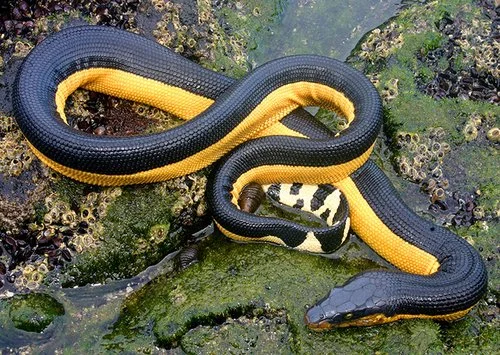
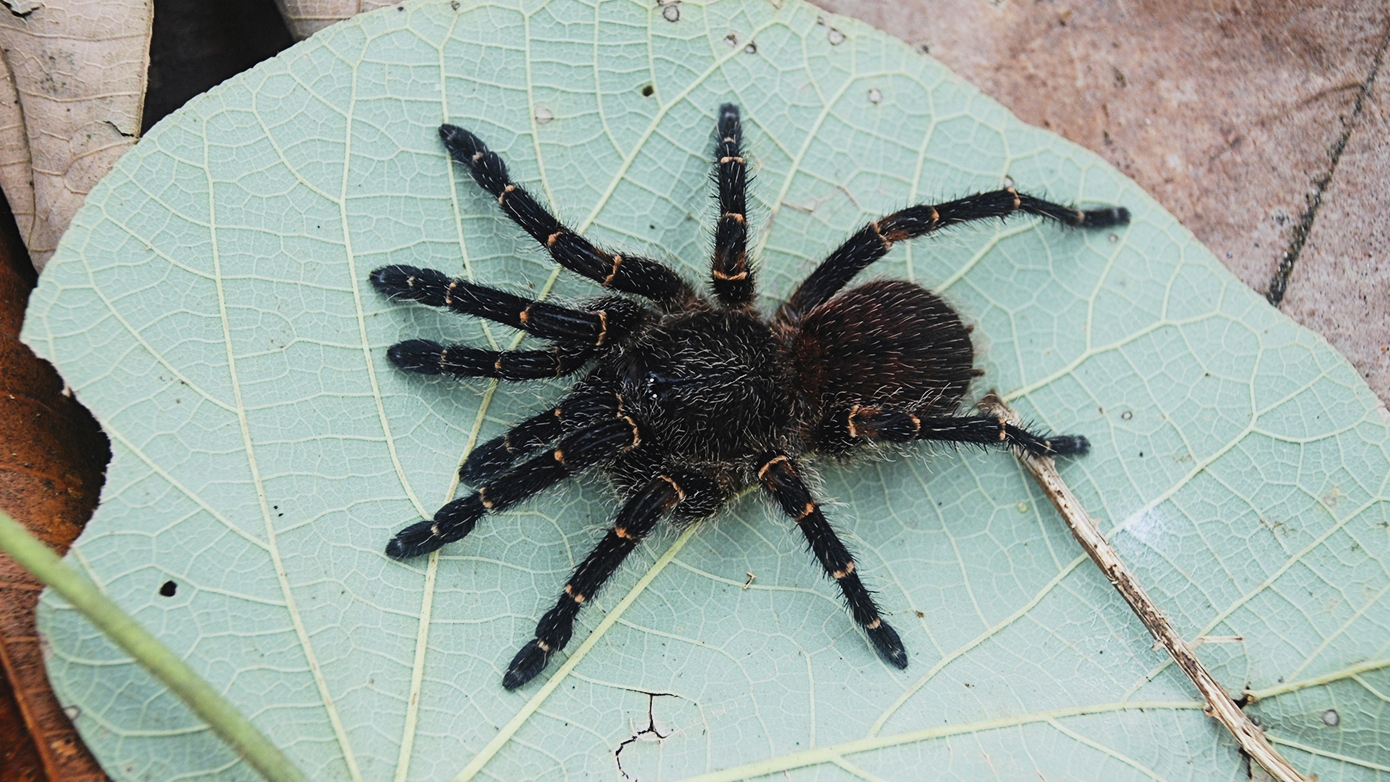
An intimate Herpetology & Entomology Expedition for those of us who get just as excited about finding a tiny frog, snake, beetle, or spider in the wild as most people do about seeing elephants or lions. There’s something incredibly special about observing these amazing creatures where they were created to live, behaving naturally in their own ecosystems.
I’ve hosted similar expeditions in the past, but they weren’t 100% focused on herpetology and entomology like this one would be. They revolved around wildlife as a whole. While we would almost certainly encounter a variety of mammals and other incredible wildlife on this expedition as well, they wouldn’t be the focus. This trip would be all about searching for and appreciating the incredible diversity of reptiles, amphibians, insects, arachnids, and other small creatures that are so often overlooked.
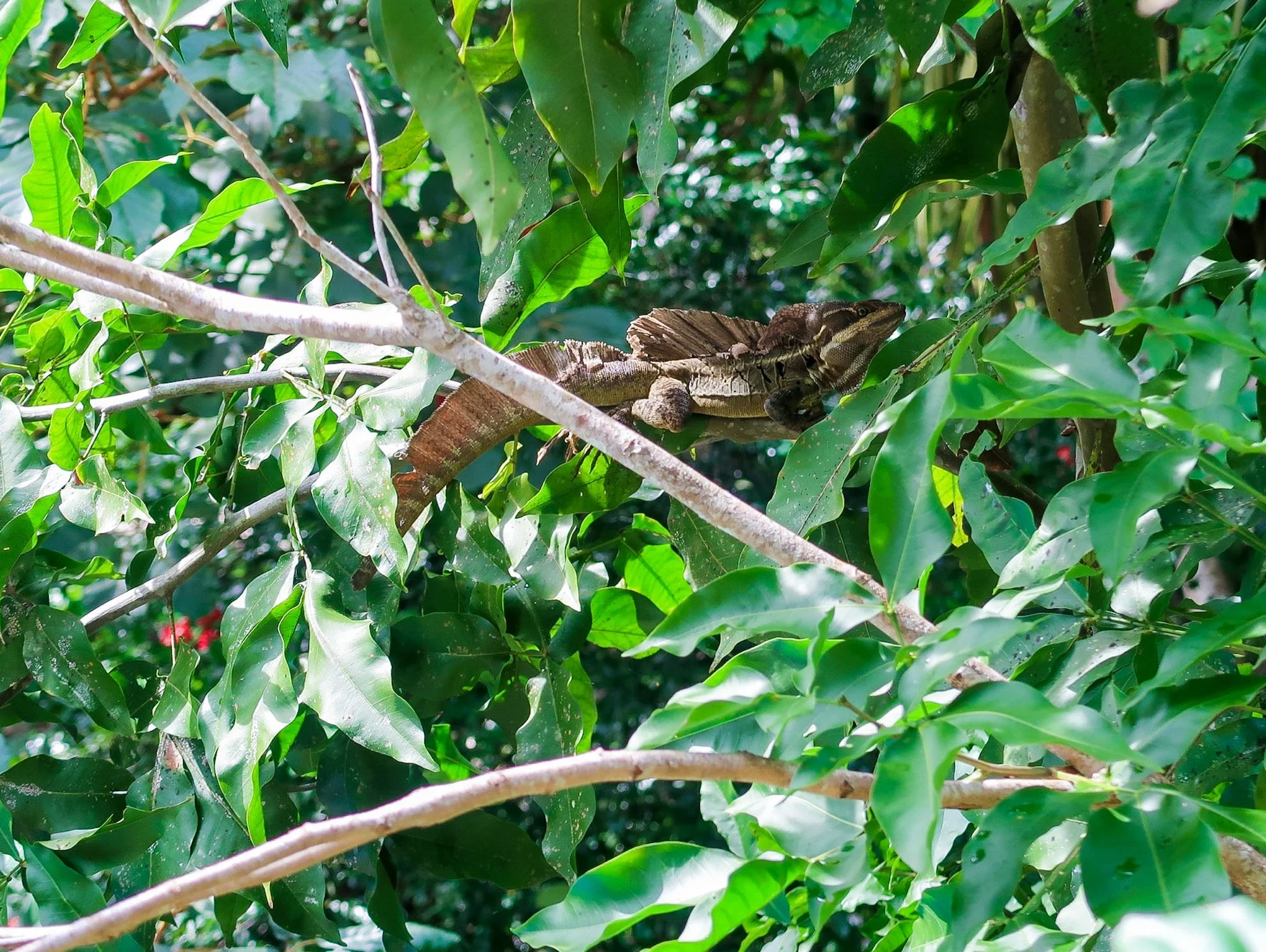
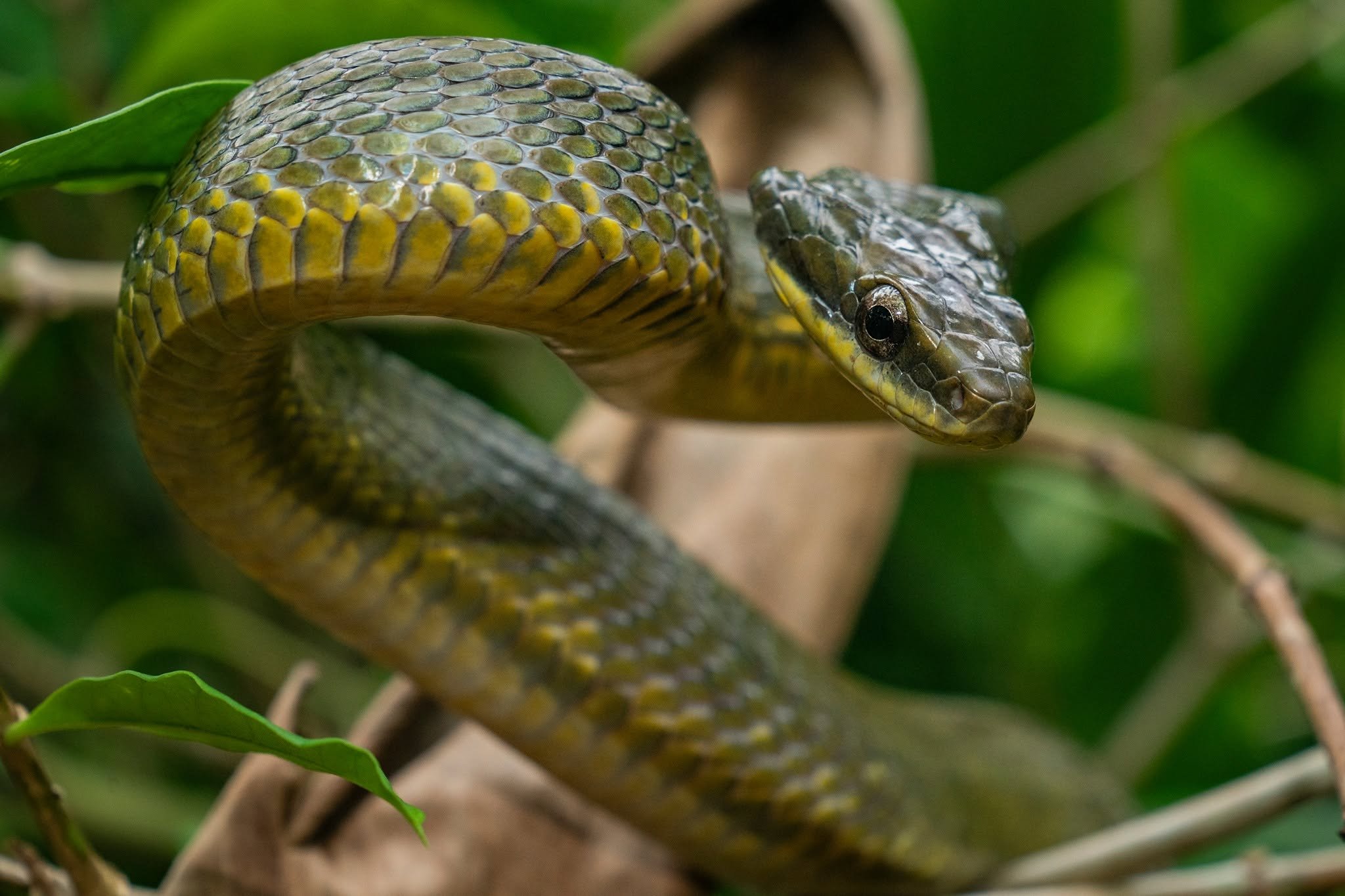
I snapped this photo on one of my past group trips to Costa Rica, right from my hotel room balcony!
If you’ve ever gone hiking and found yourself looking under logs, scanning leaves, or stopping every five feet because you spotted another lizard, frog, beetle, or spider, then you already know exactly what these trips would be like. We’d head into the field with experienced local naturalists, searching for wildlife during the times it’s most active. Most days would likely include early morning outings and guided night walks, with time to relax during the hottest part of the day. Every hike would be different because that’s the beauty of wildlife. You never know what you’ll discover around the next corner.
After a lot of research, I’ve narrowed it down to three incredible destinations. I’ll likely end up leading all three over the coming years, but every journey has to begin somewhere.
🇲🇽 Oaxaca Cloud Forests, Mexico
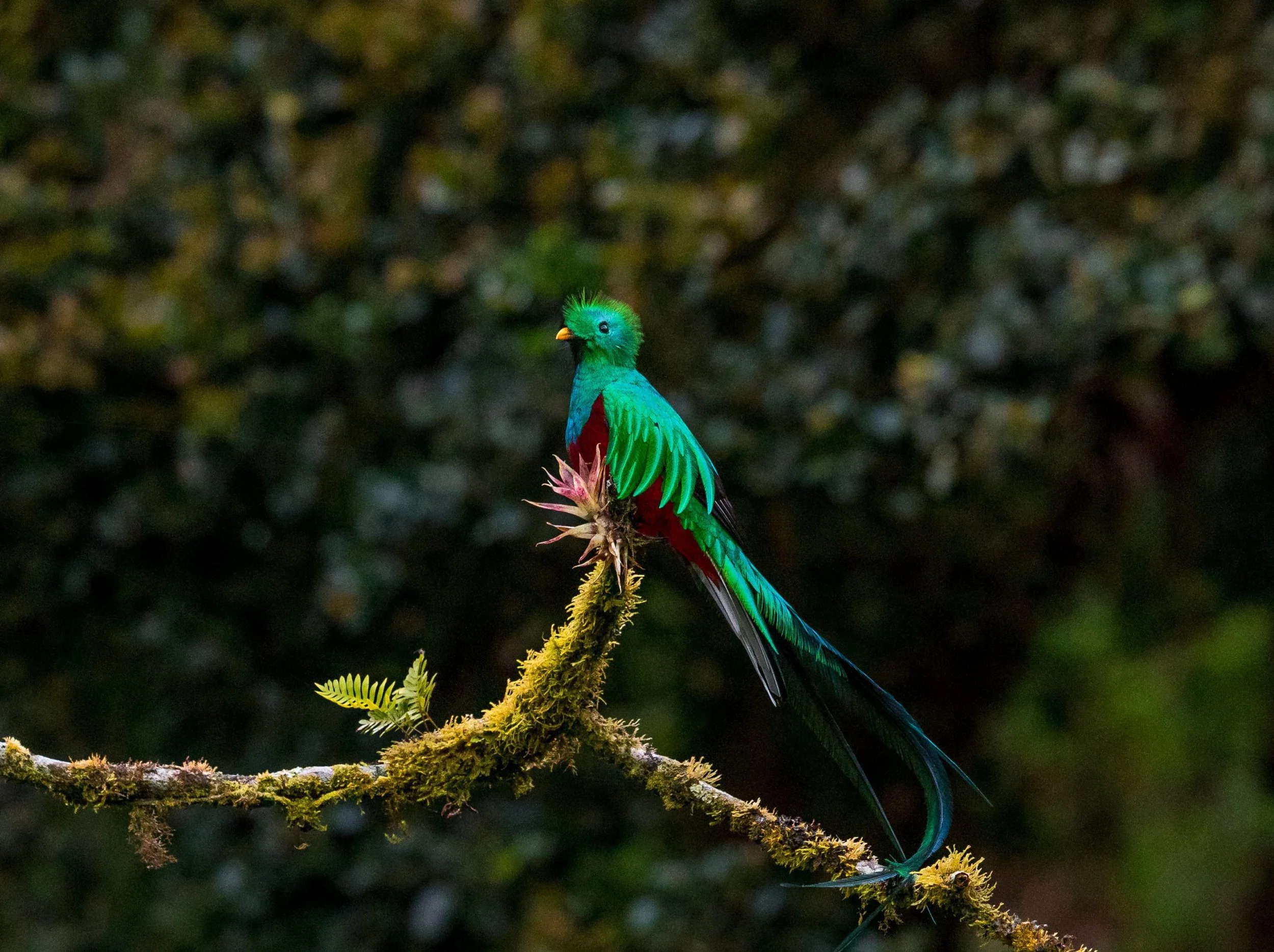
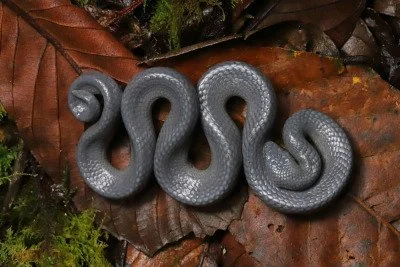
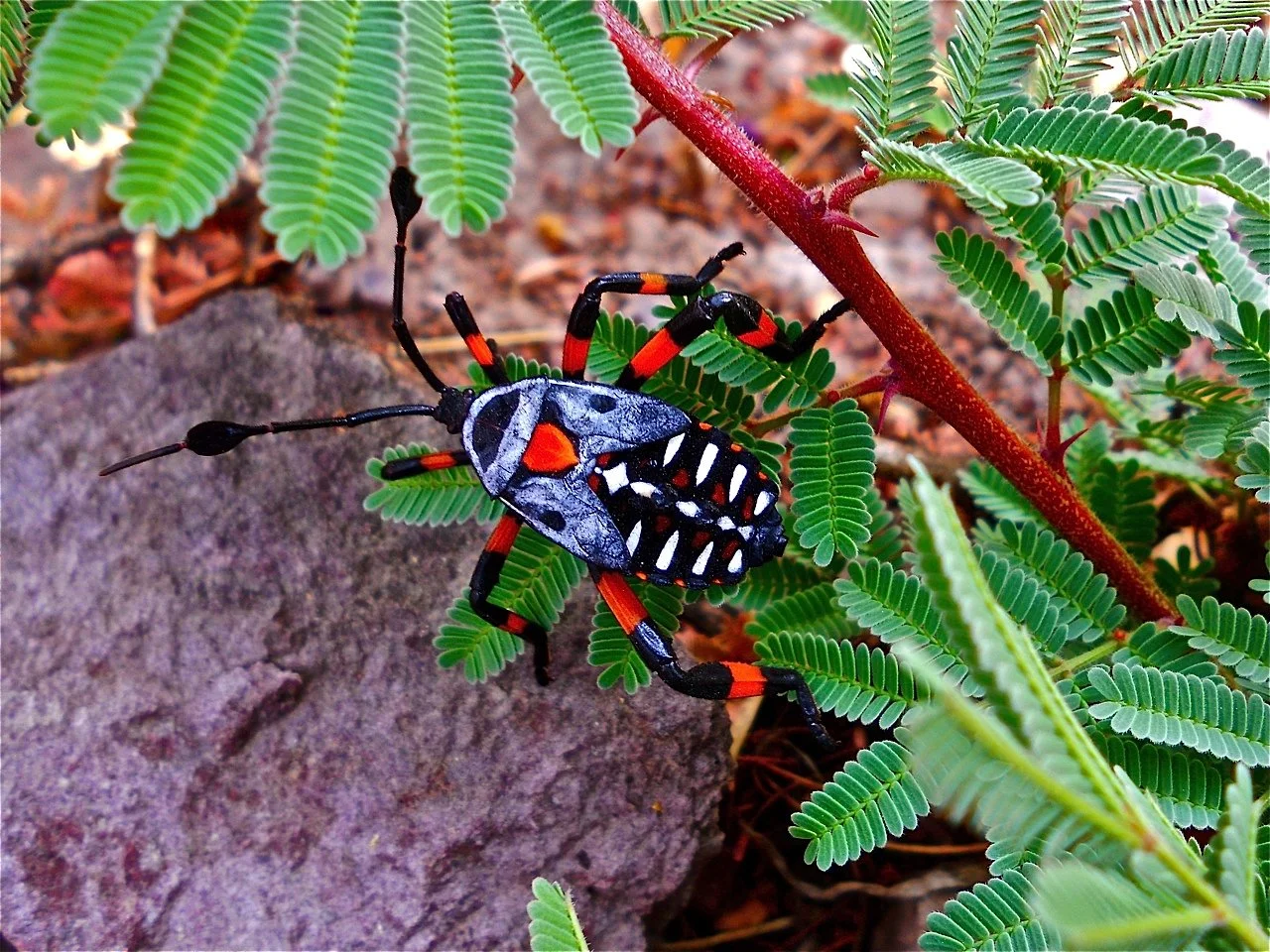
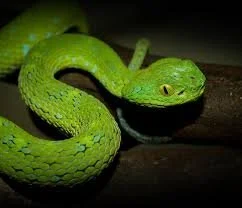
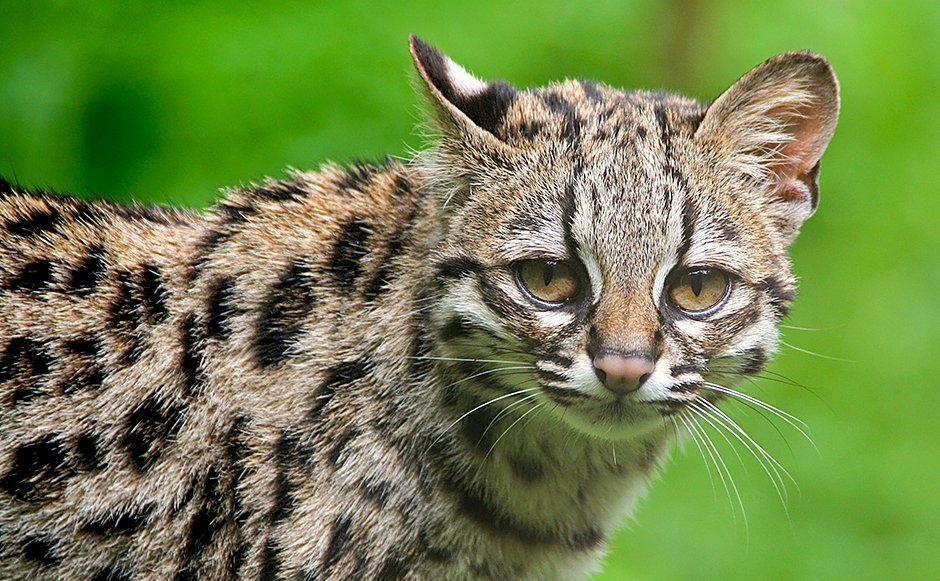
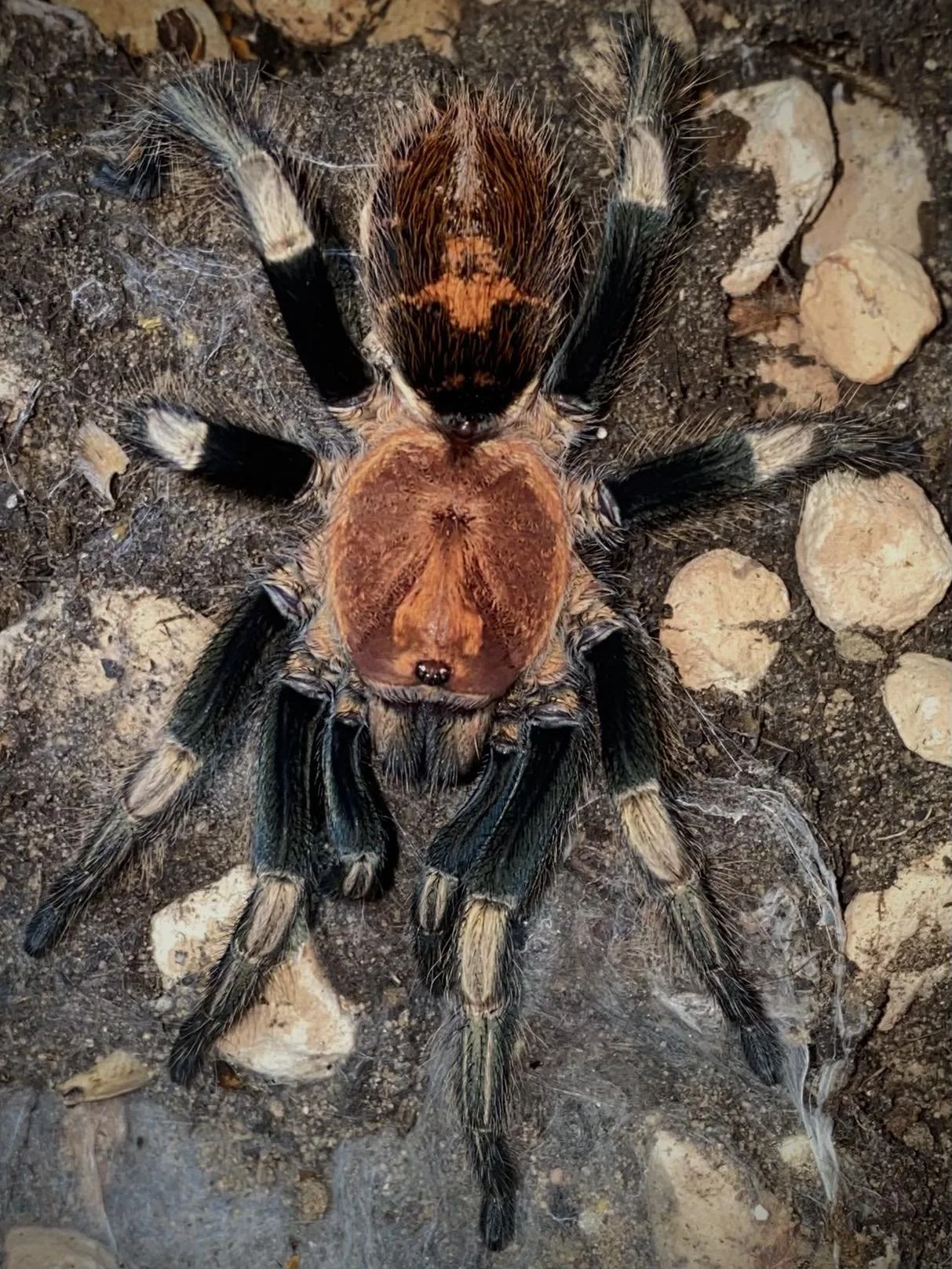
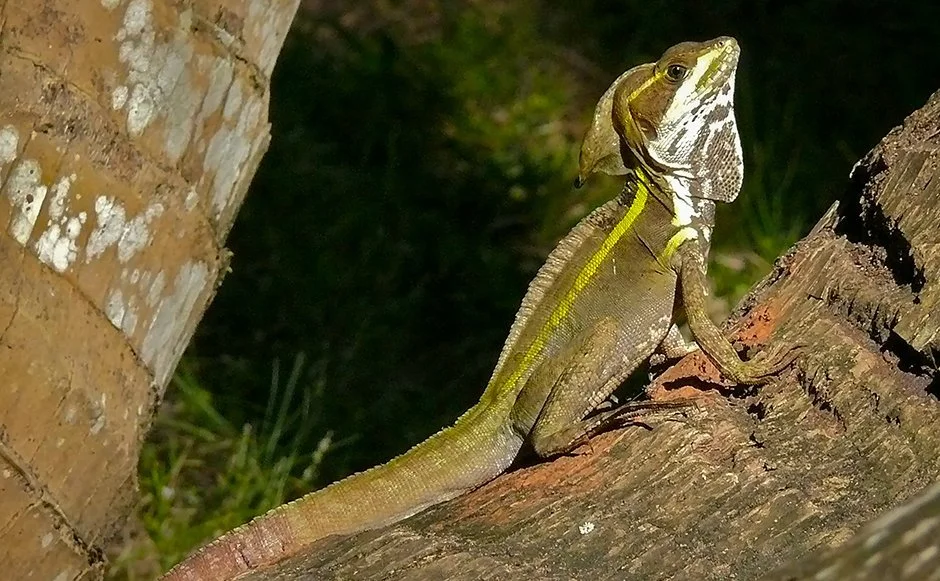
Possible travel window: Late May through late July(exact dates have not yet been determined).
Weather: Daytime temperatures generally range from 68-78°F (20-26°C), with evenings cooling to 55-65°F (13-18°C). Humidity typically ranges from 70-95%, creating the cool, misty cloud forest conditions that reptiles, amphibians, and insects thrive in. Expect comfortable hiking temperatures with occasional afternoon or evening showers.
Imagine hiking through mist-covered cloud forests where every fallen log, bromeliad, and moss-covered tree has the potential to reveal something extraordinary. Oaxaca is one of Mexico’s greatest biodiversity hotspots and is famous for its incredible number of endemic species found nowhere else on Earth.
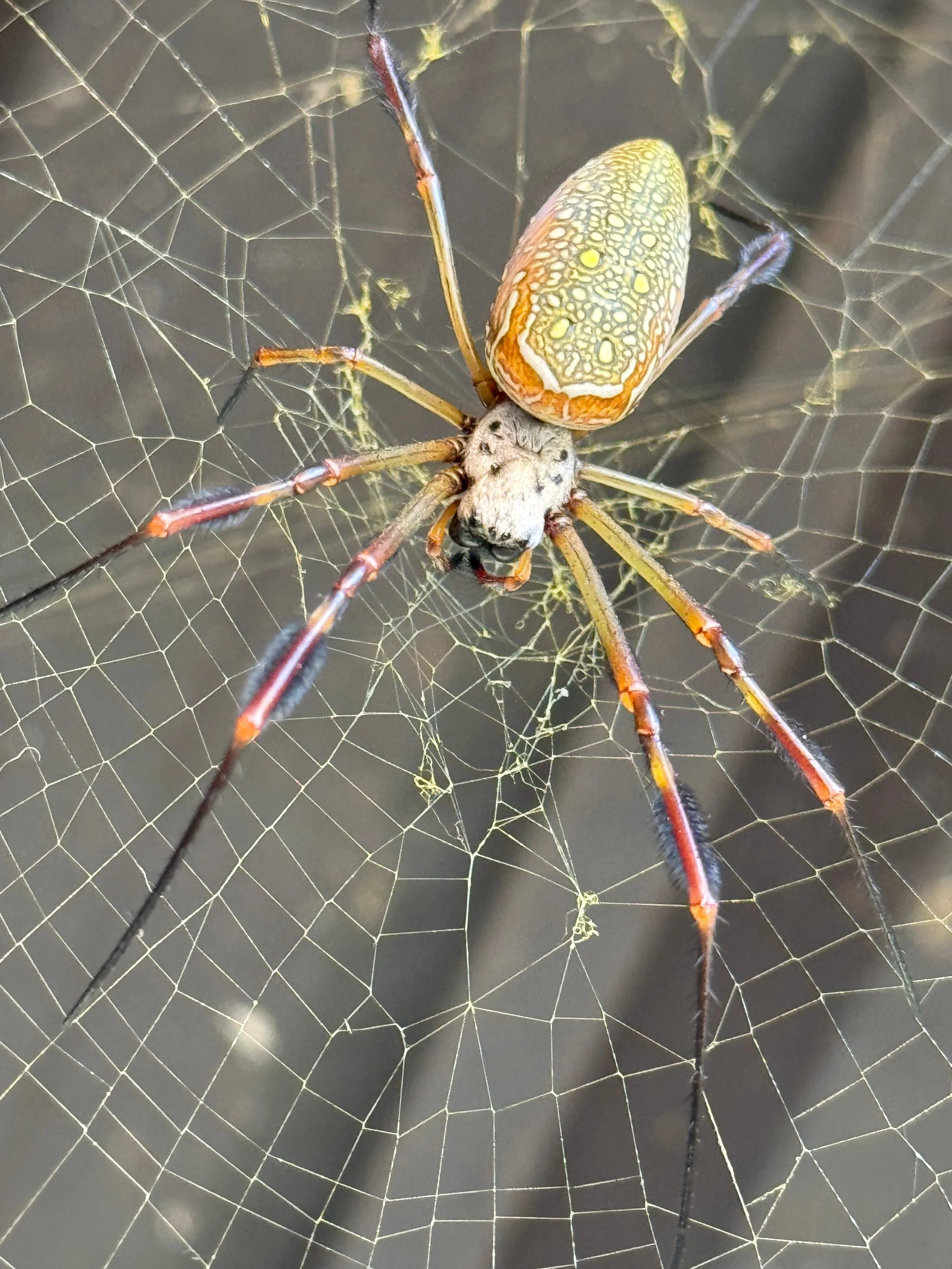
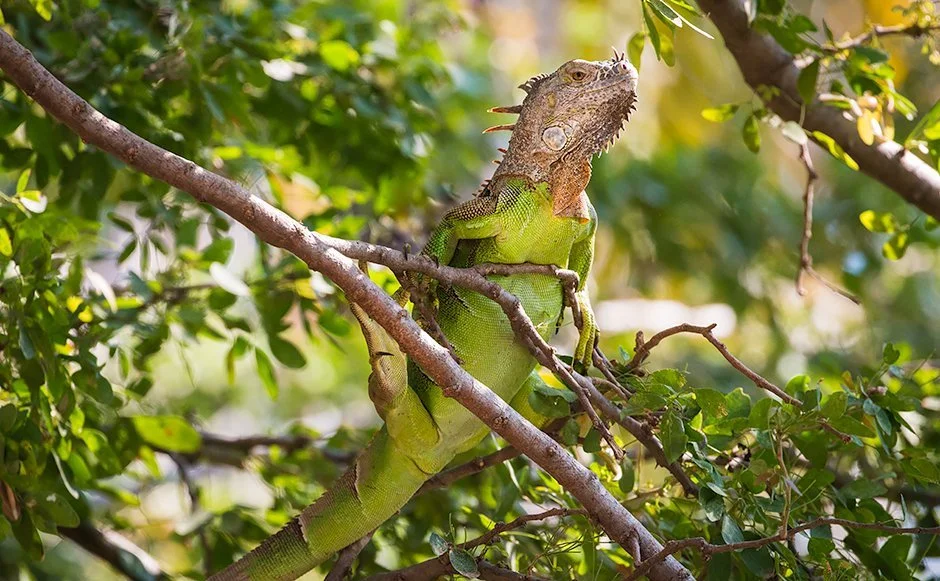
We could spend our days searching for colorful alligator lizards, mountain anoles, arboreal snakes, tiny lungless salamanders, tree frogs, tarantulas, spectacular beetles, metallic orchid bees, giant moths, and countless other fascinating invertebrates hiding throughout the forest. Every hike and every night walk offers the possibility of discovering wildlife that very few people ever get the opportunity to see in its natural habitat.
For anyone who gets excited about finding the animals most people walk right past, Oaxaca is nothing short of magical.
🇨🇷 Corcovado National Park, Costa Rica
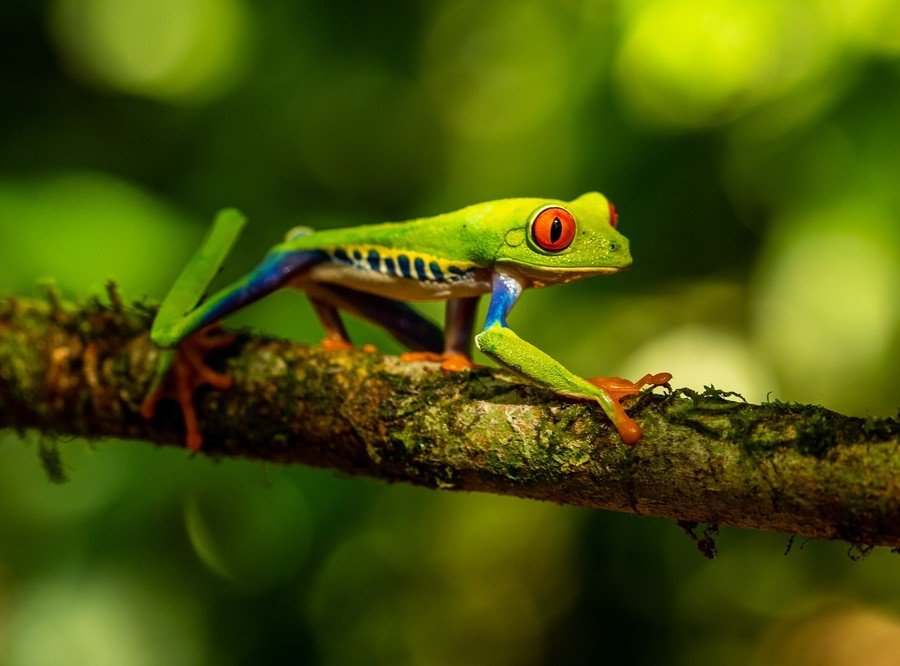
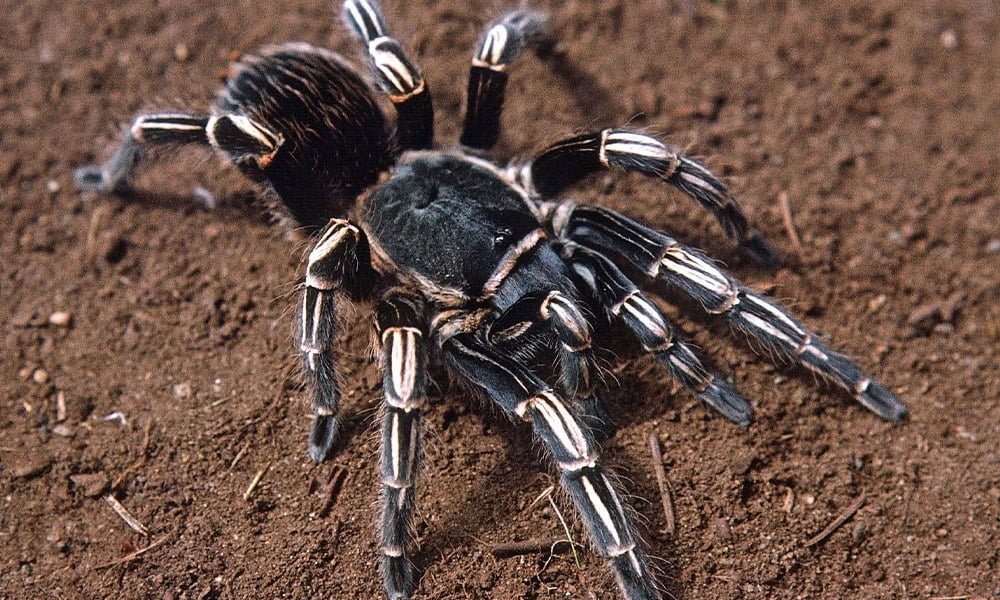
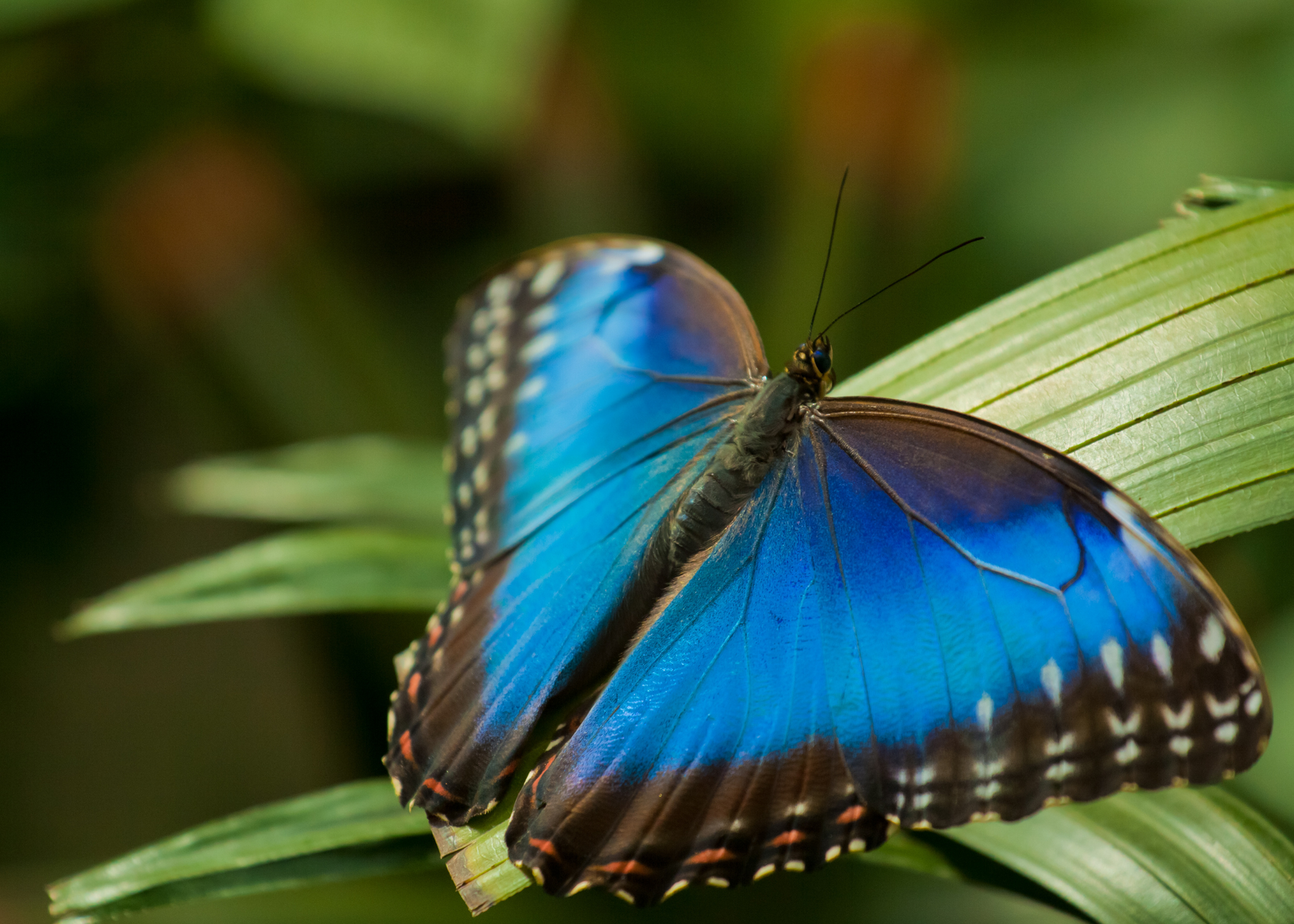
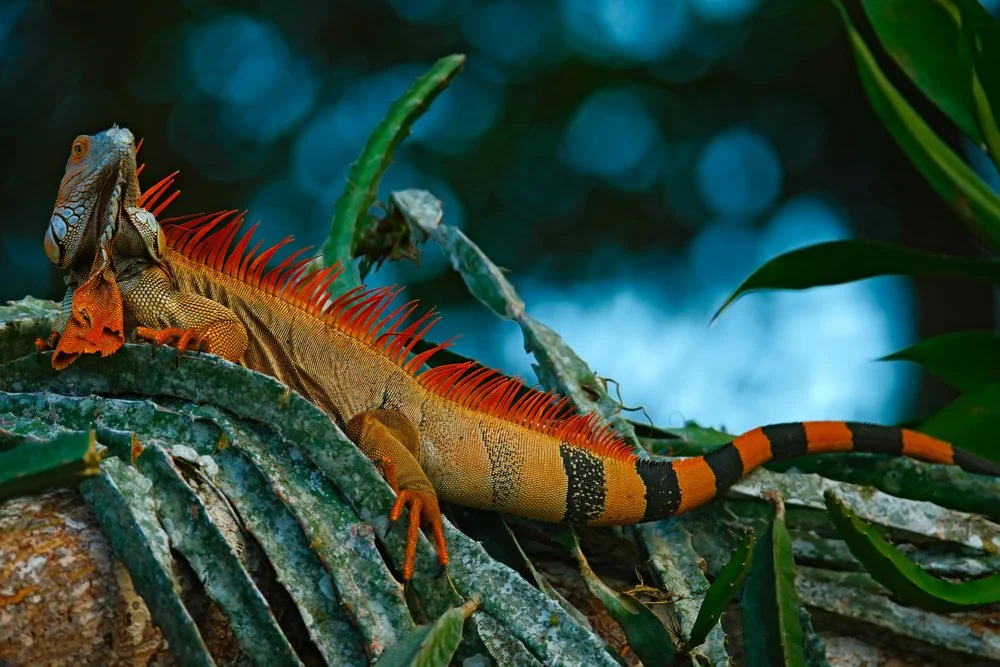
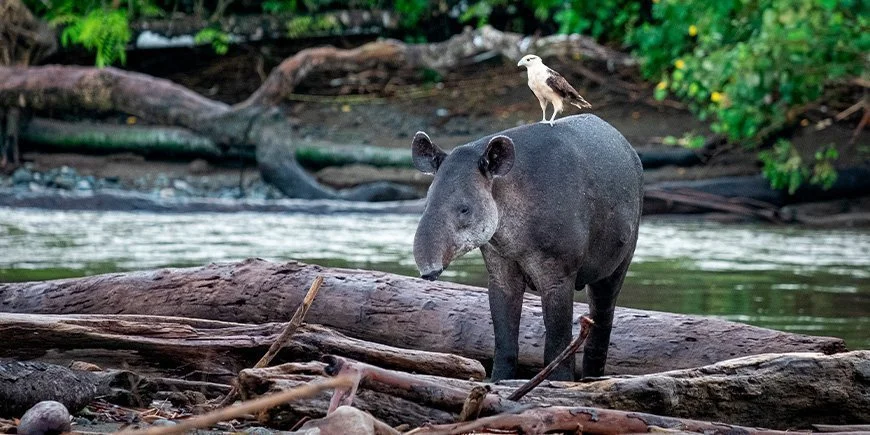

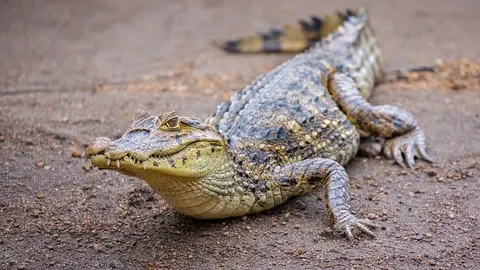
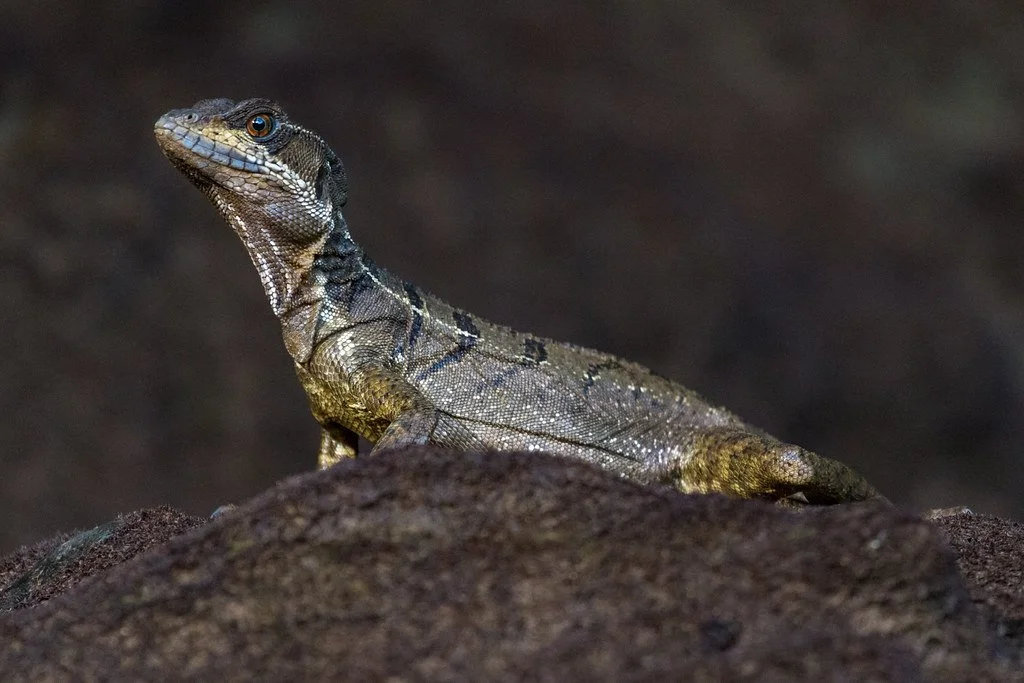
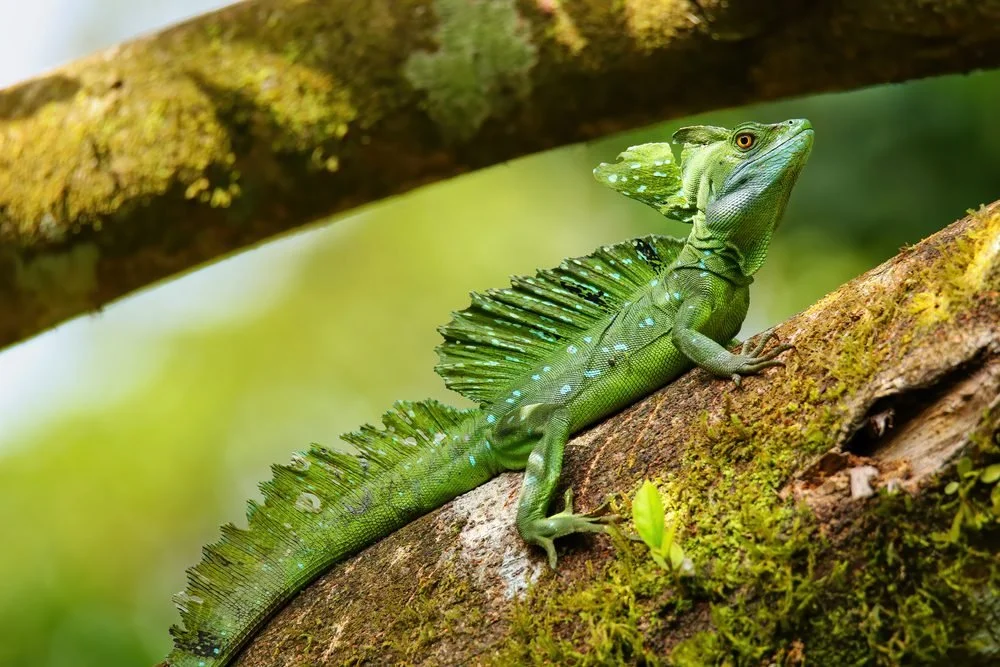
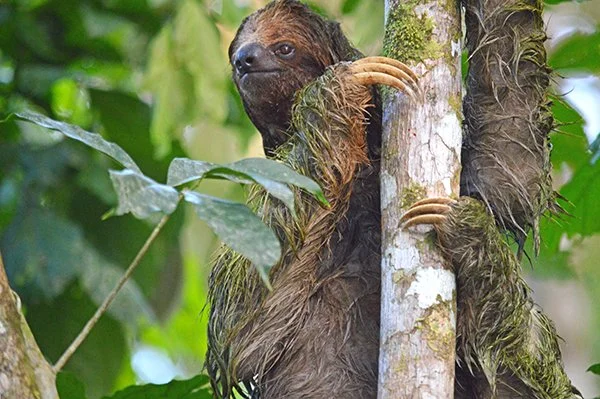
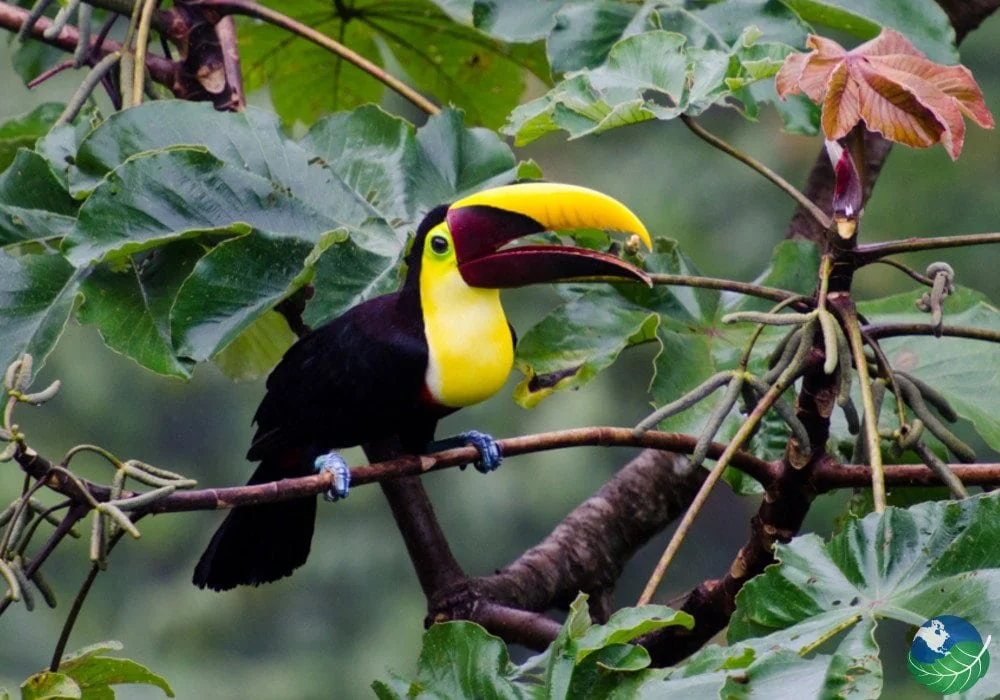
Possible travel window: June through August(exact dates have not yet been determined).
Weather: Expect warm tropical conditions with daytime temperatures of 82-90°F (28-32°C) and nighttime temperatures around 74-78°F (23-26°C). Humidity is consistently high, usually 80-100%, with frequent rain showers that keep the rainforest lush and wildlife incredibly active.
Envision waking before sunrise to the sounds of one of the most biologically rich rainforests on Earth. Every trail leads deeper into a world where wildlife is around nearly every corner, and each day brings the excitement of never knowing what we’ll encounter next.
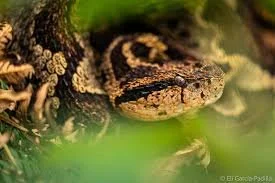
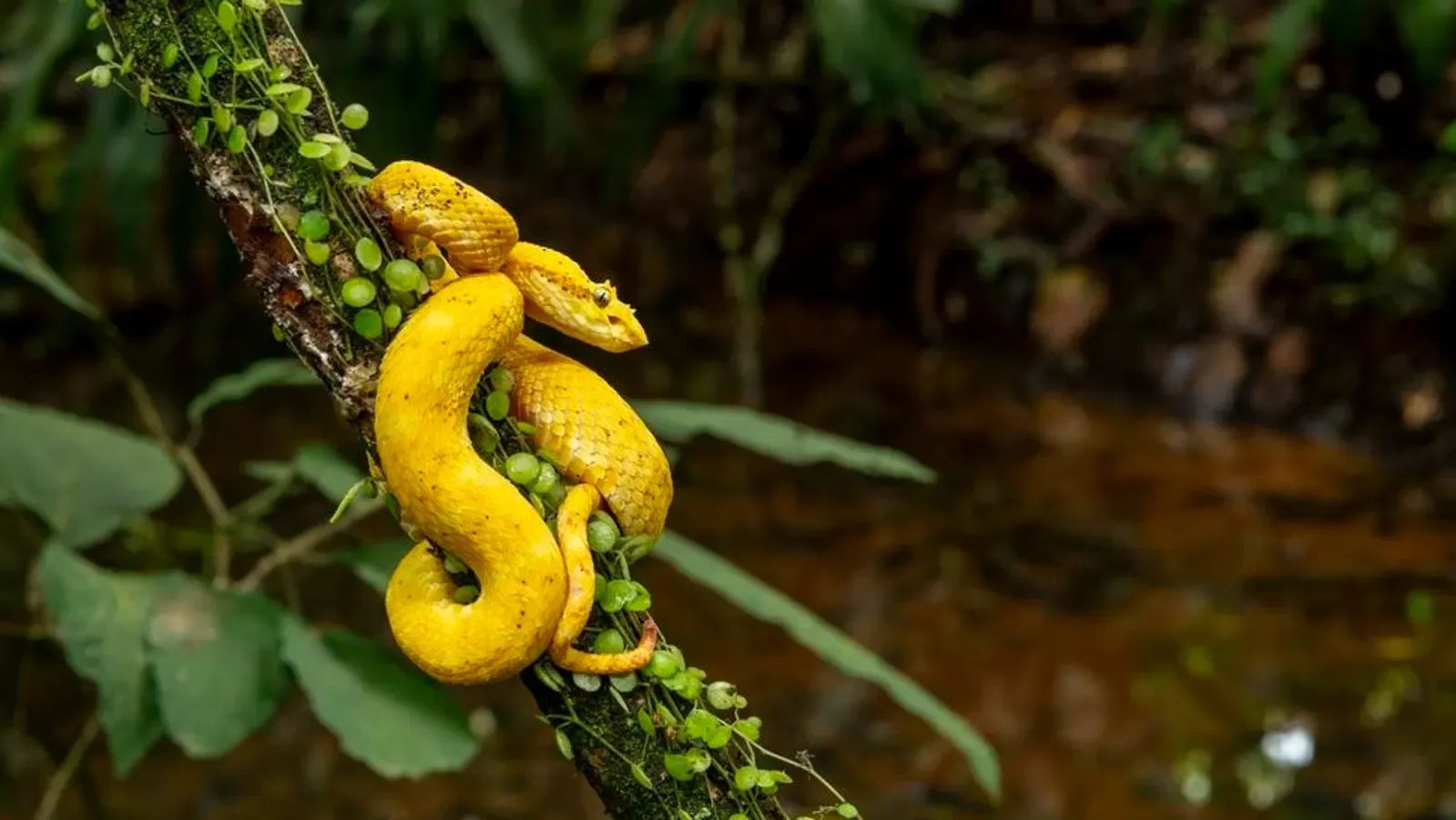
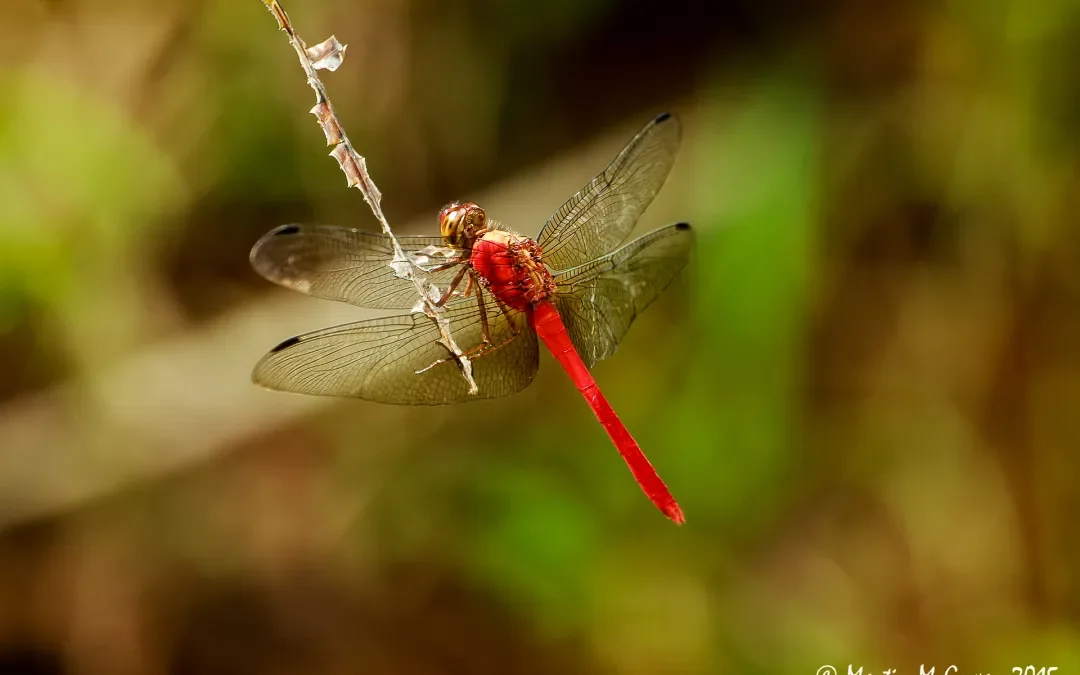
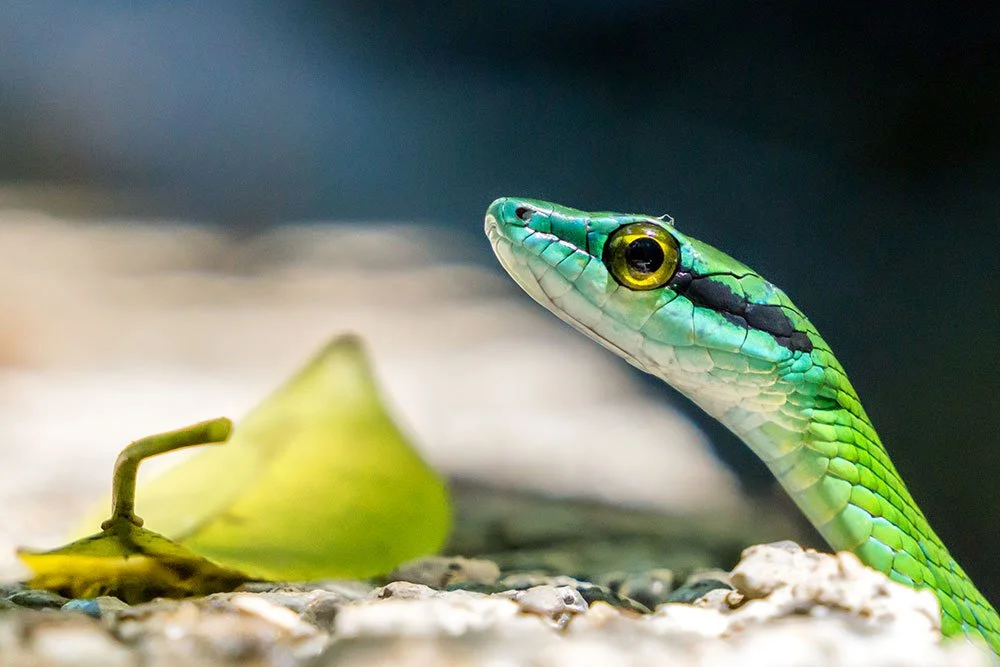
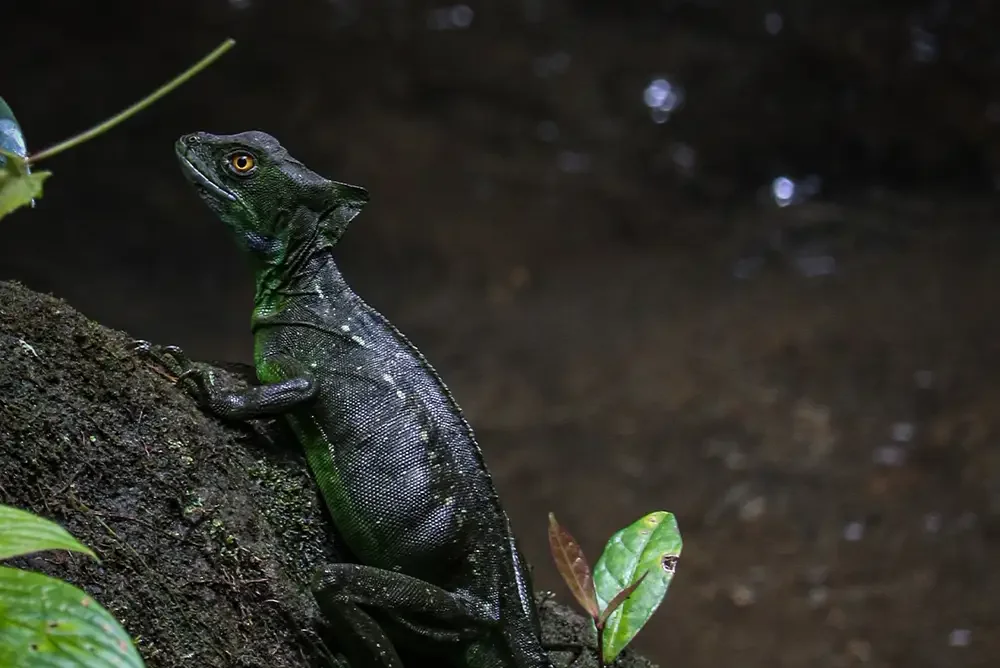
Together we’ll search for brilliantly colored poison frogs, eyelash vipers perfectly camouflaged among the leaves, basilisks racing across streams, curious monkeys swinging overhead, sloths tucked high in the canopy, tarantulas emerging after dark, dazzling butterflies, giant beetles, orchid bees, and countless other reptiles, amphibians, insects, and arachnids that call this rainforest home.
If you’ve ever dreamed of stepping into a real-life jungle where every hike feels like filming a wildlife documentary, Corcovado is about as close as it gets.
🇨🇴 Pacific Chocó Region (Bahía Solano), Colombia
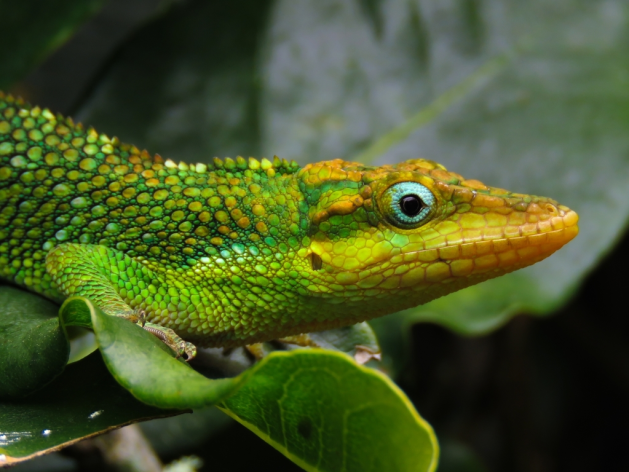
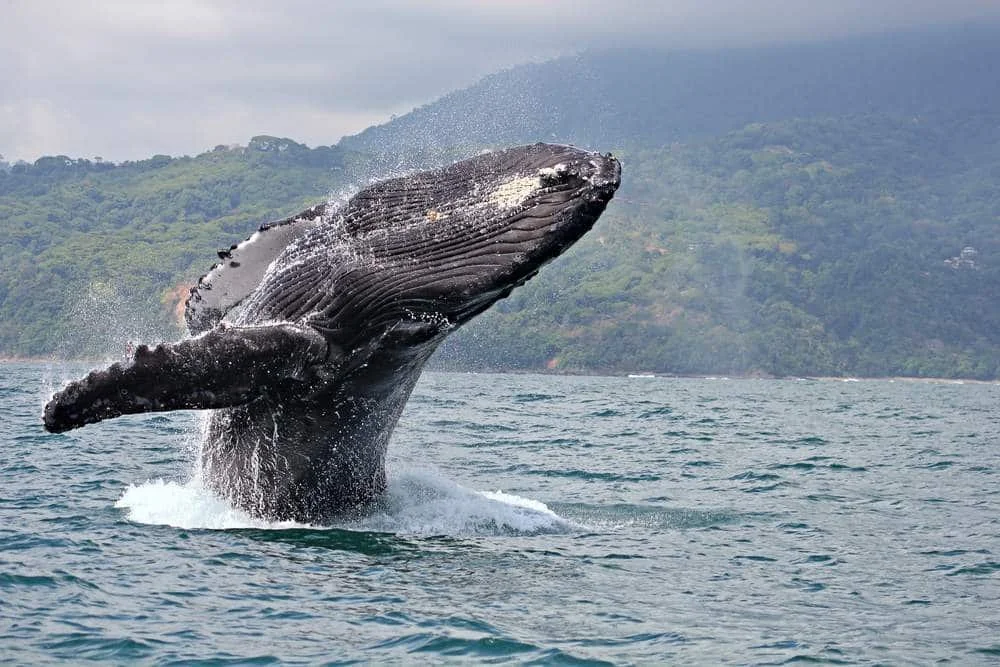
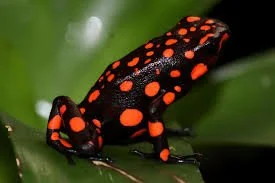
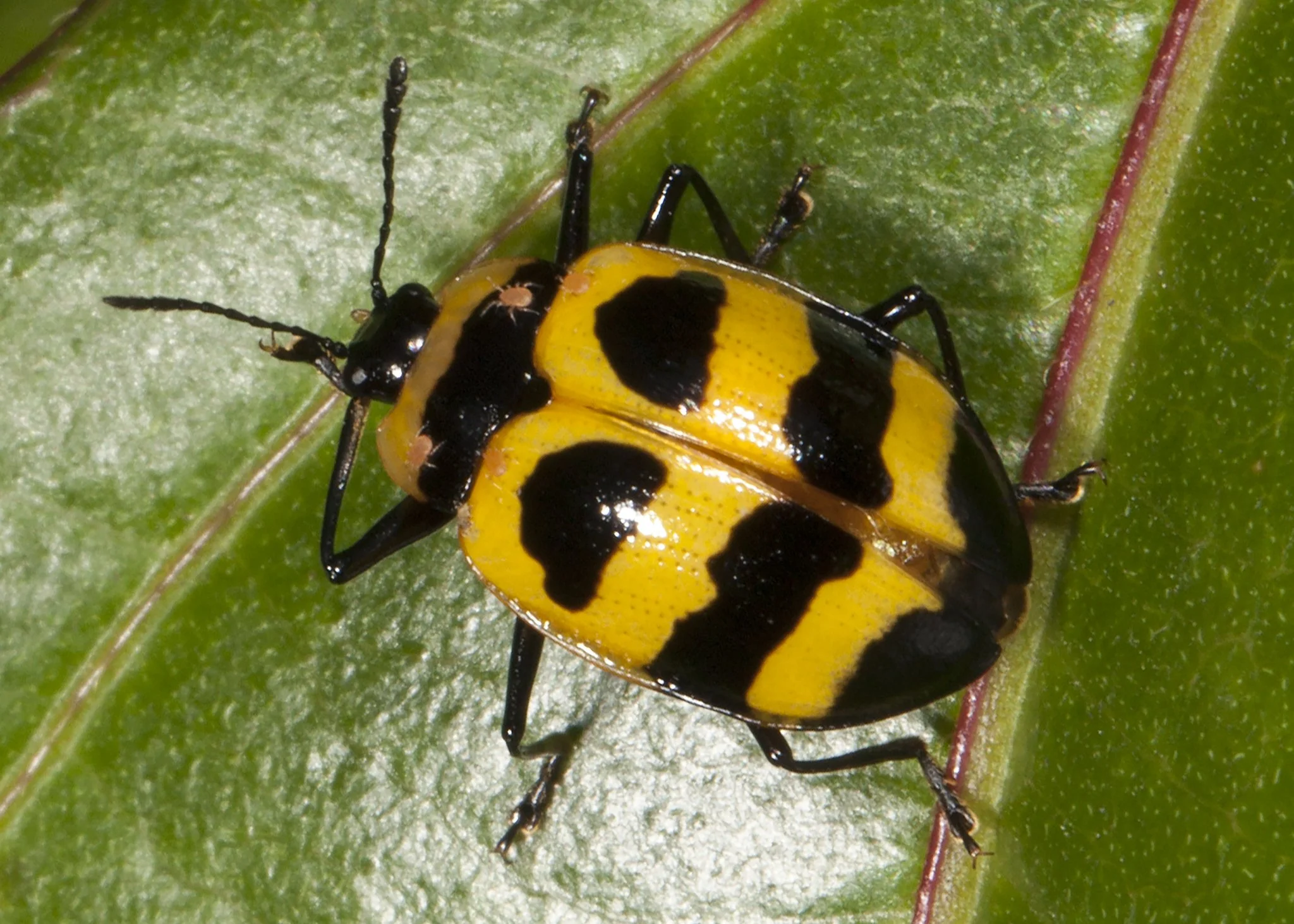
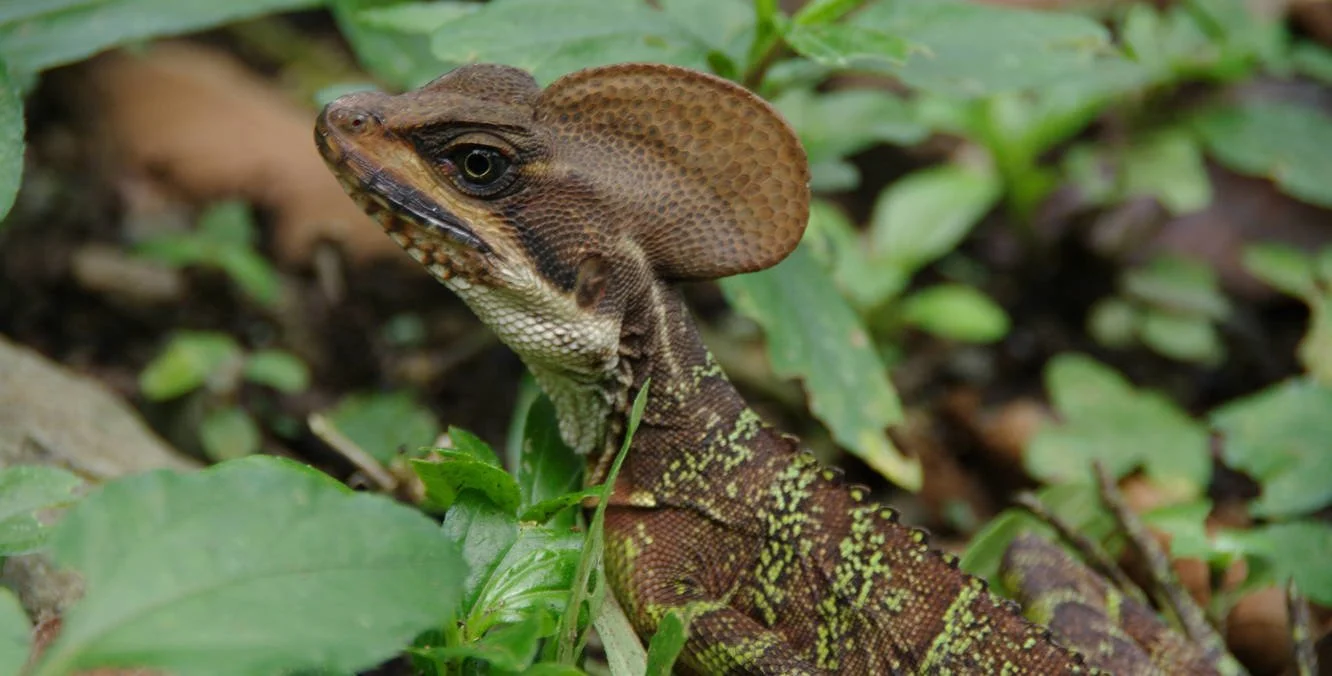
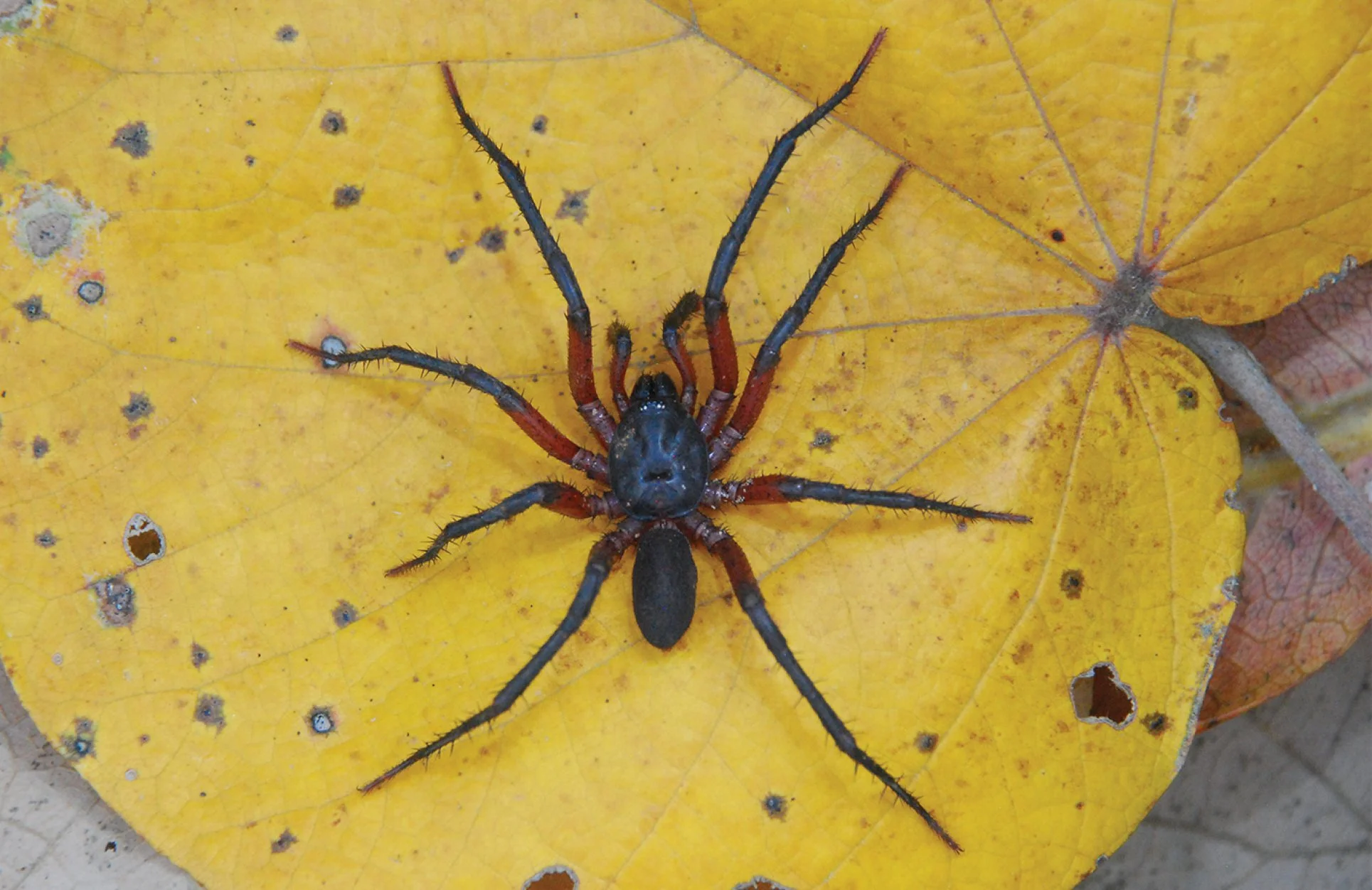
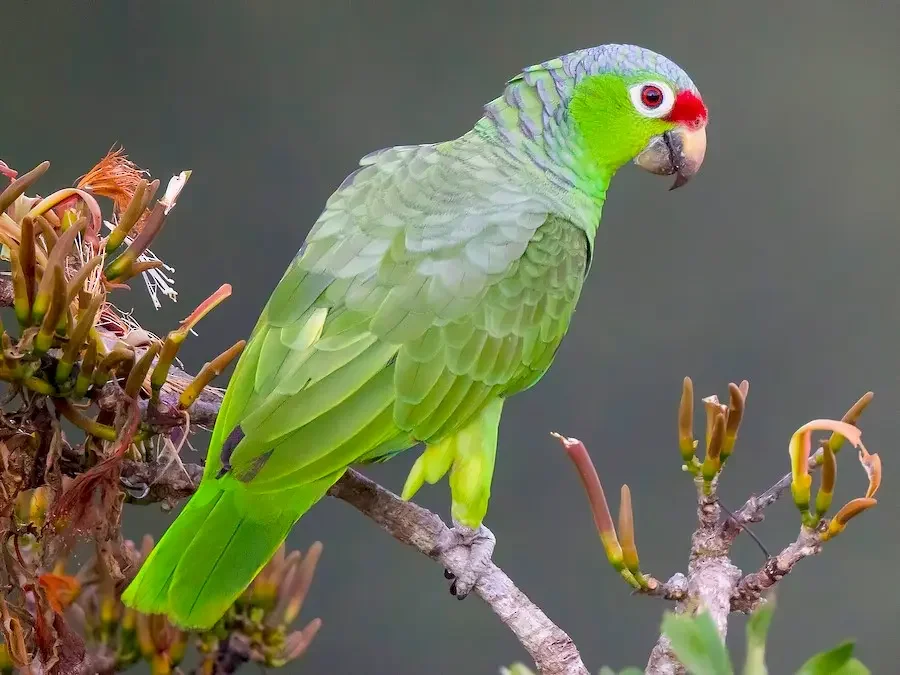
Possible travel window: July through September(exact dates have not yet been determined).
Weather: Daytime temperatures are typically 82-88°F (28-31°C), while nights remain warm at 74-78°F (23-26°C). Humidity is almost always 85-100%, making this one of the wettest tropical rainforests on Earth. Expect a mix of sunshine, high humidity, and regular tropical downpours that create ideal conditions for amphibians, reptiles, and countless insects.
Remote, wild, and unlike almost anywhere else on Earth, the Pacific Chocó is one of the planet’s greatest biodiversity hotspots. This is the kind of place where the rainforest feels untouched, every trail promises new discoveries, and even lifelong naturalists leave amazed by what they find.
We’ll explore in search of vibrant poison dart frogs, delicate glass frogs, rainbow boas, arboreal snakes, tarantulas, spectacular butterflies, giant beetles, orchid bees, and an astonishing diversity of insects and other invertebrates found throughout this lush rainforest. Depending on the exact dates we choose, we may even have the opportunity to witness humpback whales migrating just offshore, making this one of the few places where rainforest exploration and incredible marine wildlife can be experienced during the same adventure.
For those who crave true exploration and want to experience one of the wildest corners of the natural world, the Chocó is an unforgettable destination.
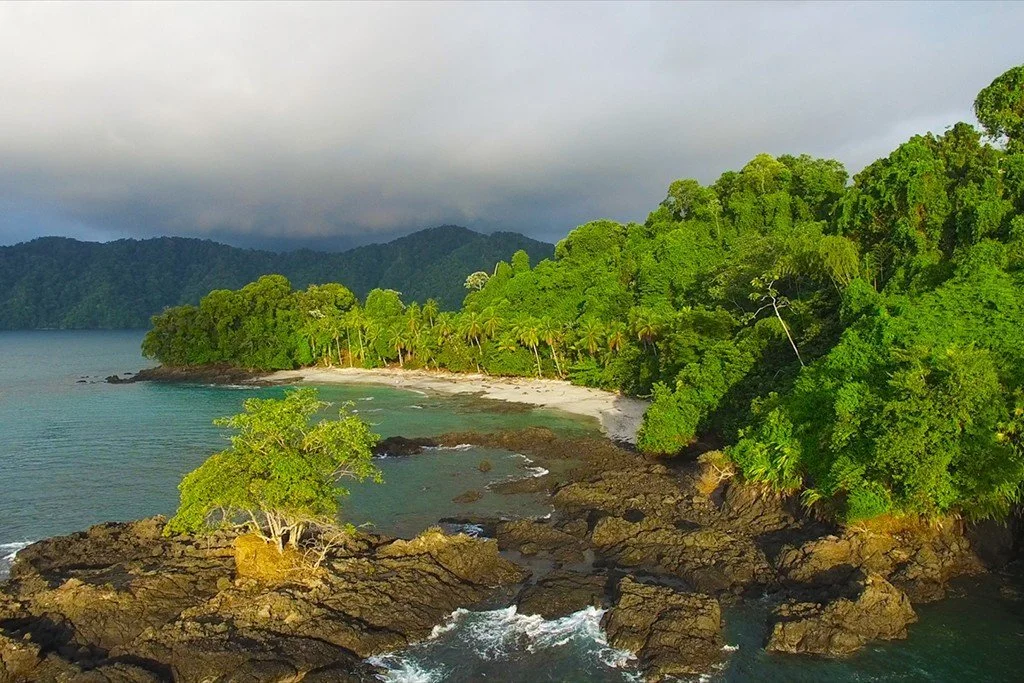
This is a landscape photo I found from one of the 3 destinations above.
So… which destination do you think should be first in 2027?
As always, my group trips will include payment plans to help make these experiences more accessible, and I’ll be partnering with experienced local guides who know these ecosystems better than anyone. My goal has always been to support local communities while giving our group the safest, most authentic, and most rewarding experience possible.
I can’t wait to hear which one you’d choose!
If you’re interested in joining us next year, fill out the form below and I’ll keep you posted as soon as we’ve selected the final destination and finalized the dates and pricing. Filling out this form does not commit you to the expedition in any way. It simply lets me know you’re interested so I can keep you informed as plans come together.
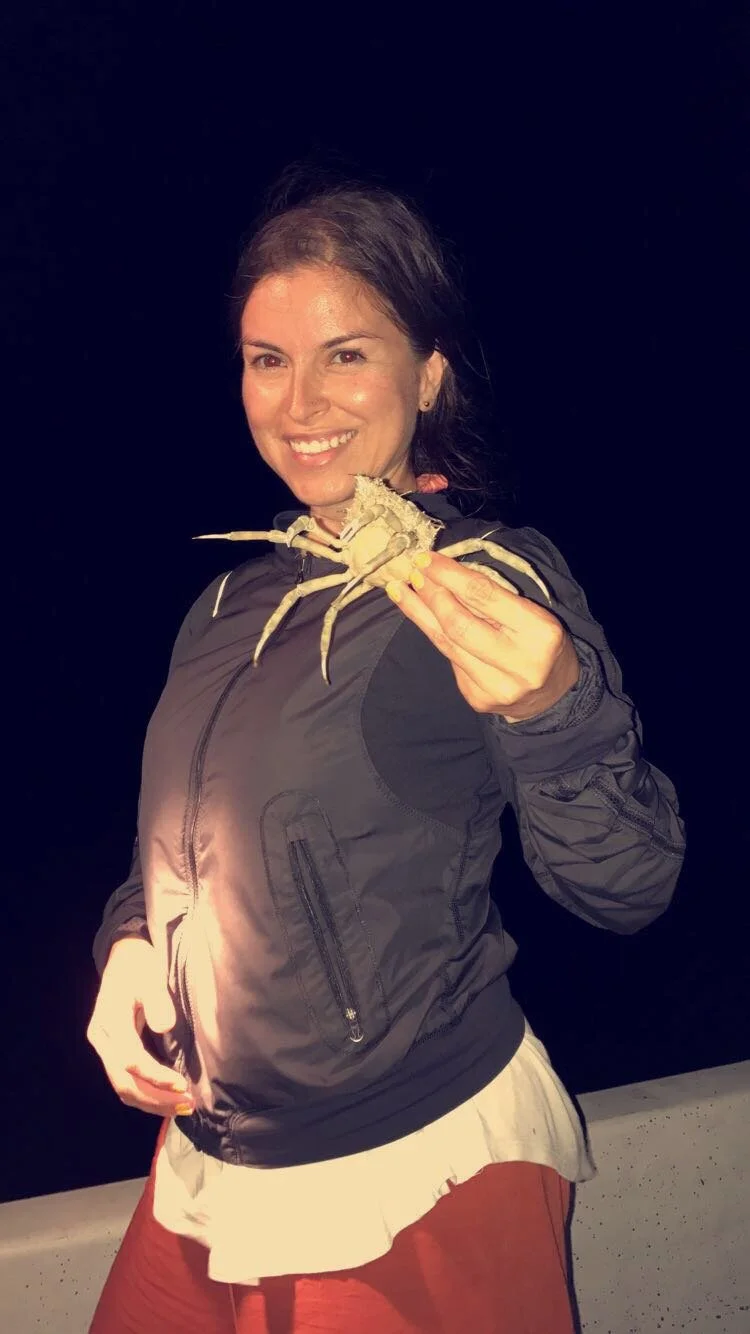
This is an old photo from a trip to Mexico. We searched for wildlife by foot and by boat. Yes, we carefully and quickly released back everything we found and photographed.
“And God said, “Let the earth bring forth living creatures according to their kinds: cattle and creeping things and beasts of the earth according to their kinds.” And it was so. And God made the beasts of the earth according to their kinds and the cattle according to their kinds, and everything that creeps upon the ground according to its kind. And God saw that it was good.” (Genesis 1:24-25)