
How to Responsibly Purchase an Exotic Pet
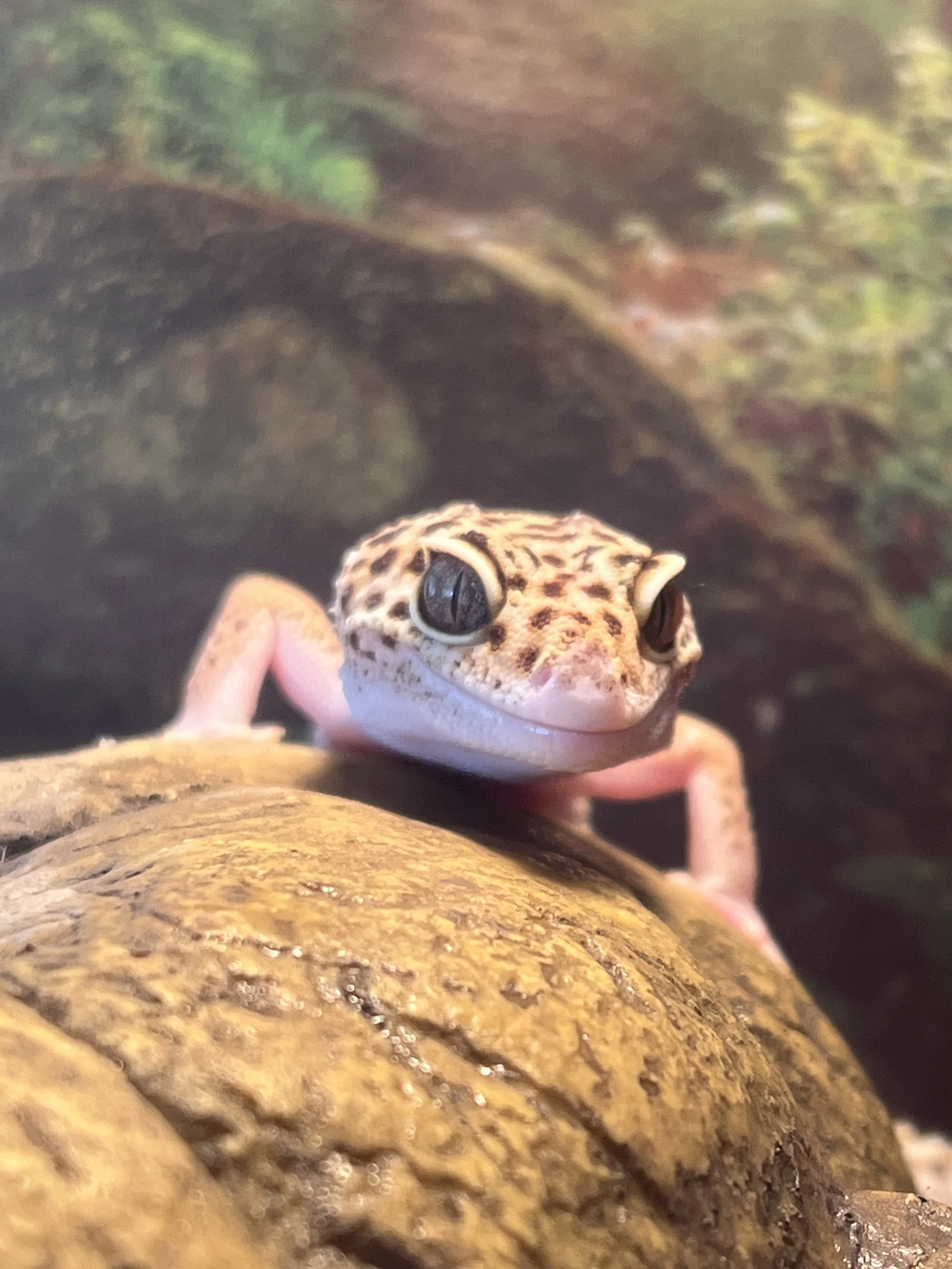
Let’s talk… Exotic, legal pet species • Spiders • Snakes • Reptiles • Turtles • Invertebrates
This conversation has become loud over the past year, after an expo vendor publicly shared footage of what she witnessed at an expo. What she recorded was far worse than mild stress or temporary overcrowding. According to the video evidence she posted, the vendor next to her had literal bags of dead animals and was discarding animals before even confirming they were deceased. She and another vendor went to the trash cans where the animals had been thrown away and sorted through them to rescue the living animals that had been discarded among the dead. The footage was heartbreaking. No one who loves animals wants to see suffering handled with that level of disregard. It was absolutely shocking and abhorrent.
That situation stirred strong emotions across the reptile/animal community. Some people generalized it to mean every expo vendor is unethical but that is simply not accurate. The situation did highlight something important though, how we purchase animals should be carefully considered.
It is also worth noting that in the aftermath of those allegations, MorphMarket was the only company that publicly acknowledged the concerns and took visible action in response to what was shared. That response stood out to many in the community who were looking for accountability.
If you truly love exotic pets, responsible purchasing is part of good stewardship.
Let’s talk about how to do this well…
First: Only Legal Species
Before anything else, confirm the species is legal in your state, county, and city. Laws vary widely. Responsible ownership begins with compliance.
Purchasing Options…
Here are the most common ways people acquire exotic pets:
1. Pet Store:
Pros: Accessible, sometimes convenient.
Cons: Staff knowledge varies dramatically. I’ve been to multiple pet stores where I’ve asked questions (that I know answers to), just to kinda quiz the staff and been given the most bogus husbandry and feeding advice. Also, some stores source from mass breeders with questionable standards.
2. Rescue:
Pros: You give an animal a second chance.
Cons: History may be unknown. Veterinary needs may be higher.
3. Breeder:
Pros: Often the best option when they are reputable. You can learn lineage, feeding history, and genetics.
Cons: Not all breeders are ethical. Reputable is key.
4. Wild Caught:
Strongly discouraged.
Reasons wild caught animals are problematic:
Removes animals from natural ecosystems
Increases stress and mortality during capture and transport
Higher parasite loads
Often poorly acclimated to captivity
Encourages unsustainable harvesting
Can spread disease
Shorter lifespan in captivity in many cases
Captive bred is almost always the more humane and sustainable option.
5. Expo:
Pros: Large selection. Direct access to breeders.
Cons: High stress environment. Easy to impulse buy.
6. Online Purchase:
Common but requires caution. Shipping reptiles and other exotics safely requires weather awareness, seasonal awareness, and distance considerations.
A breeder who ships year round, without regard to temperature extremes is a red flag. Responsible breeders watch overnight lows, heat waves, transit times, and carrier reliability.
Next, let’s talk about major red & green flags when selecting an animal from any of the options above
Red Flags to Watch For:
Overcrowded enclosures
Dirty water bowls
Visible mites, parasites, or lethargy
Vendor unwilling to answer detailed husbandry questions
Vague feeding history
No knowledge of lineage
Pressure to purchase immediately
Shipping “anytime” regardless of weather
Wild caught animals labeled as captive bred
Animals visibly stressed and overheated
Green Flags:
Clean enclosures and fresh water
Clear feeding records
Willingness to explain husbandry in depth
Transparency about captive bred versus wild caught
Care sheets tailored to species
Refusal to sell if you are unprepared
Seasonal awareness in shipping
Honest discussion of lifespan and commitment
My Personal Plan for Expos…
I do not purchase on impulse. I know which animal(s) I’m looking for and their care requirements beforehand.
If it is a two day event…
Day one is browsing only:
I take notes.
I collect business cards.
I observe how animals are kept.
I ask questions.
Day two is research:
I look up the breeders I am considering.
I read reviews.
I verify captive bred claims.
Ask the breeders questions
If no red flags surface, I purchase at the end of the second day.
If it is a one day event:
I arrive early.
First half of the day is browsing only.
Second half is researching vendors.
I either purchase near closing or take a card and order later after more thorough research.
There is no rush worth compromising an animal’s welfare.
Know What You Are Buying…
Before you bring any animal home, you should already know:
Adult size
Lifespan
Habitat requirements
Temperature and humidity needs
Food type and feeding schedule
Growth rate
Veterinary access in your area
Long term enclosure costs
Temperament and handling expectations
Never purchase on a whim. It hardly ever ends well for the pet.
Research cannot be skipped. I cannot say this enough.
Species within the same category can require drastically different care. So know the EXACT animal you are researching. For example, a pink toe tarantula does not have the same needs as a rose hair tarantula species. In some cases, husbandry requirements are nearly opposite. Temperature, ventilation, humidity, substrate, vertical space. All different.
FUN FACT! If you want to skip the hours, days, weeks, and months of research, I have done that work for you. I create detailed, species specific care and husbandry sheets for all legal exotic species.
BROWSE THE SHEETS —> HERE
Please do not copy or redistribute my work. Aside from being unethical, care information is species specific. Using the wrong sheet for the wrong animal can cause real harm.
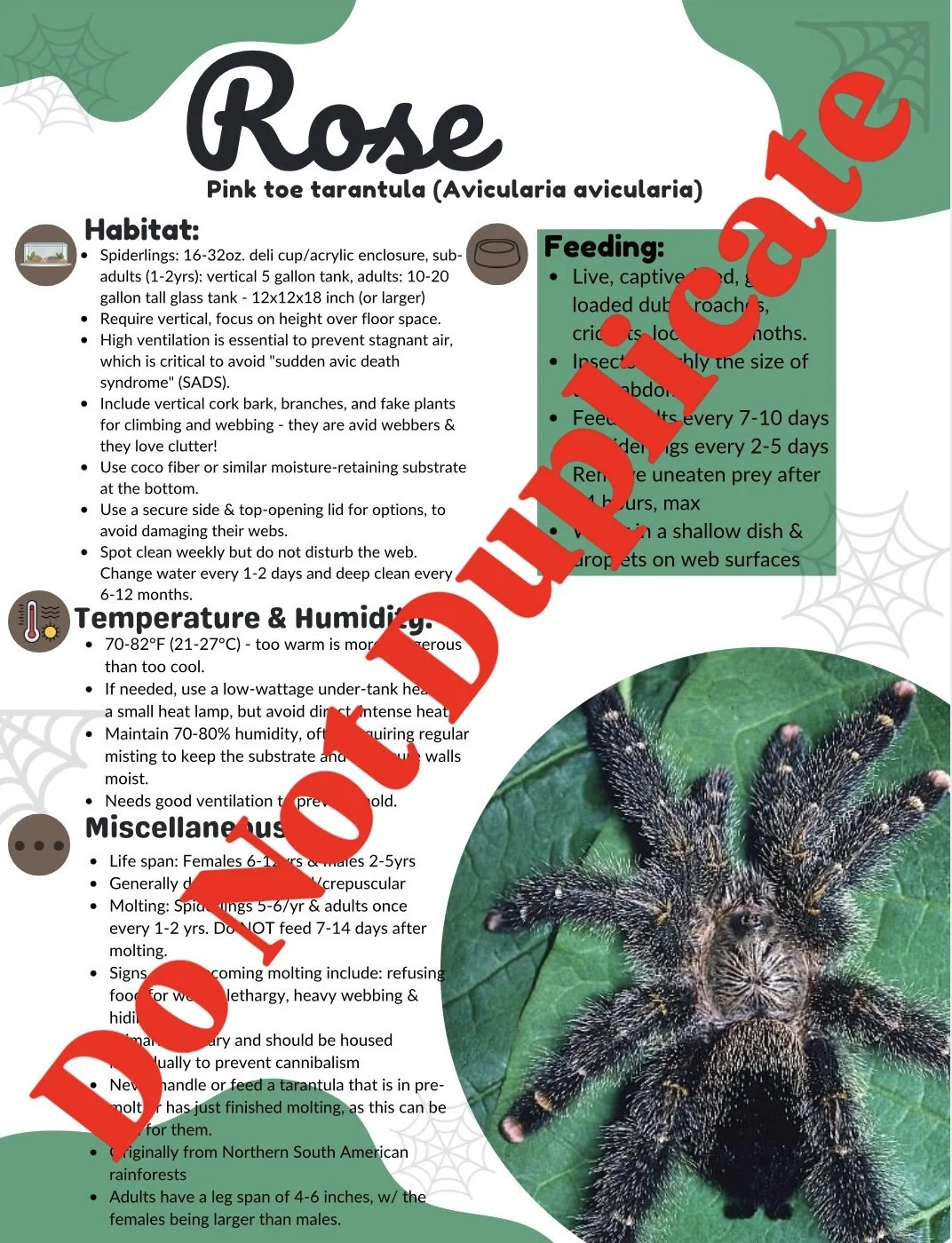
My sheets are available as:
PDF downloads
Framed prints
Laminated prints
If a species you are interested in does not exist yet, it can!
The controversy mentioned above was painful to watch. It reminded many of us why this topic matters. We cannot control every vendor or fix the entire industry overnight. BUT we CAN control how we purchase and where we put our money, matters more than you might even realize.
Responsible buying IS advocacy. Animals deserve informed, prepared, intentional homes. 🫶🏽🦎🐍🕷️🐢
For all of your reptile, amphibian and invert needs:
Phailozoo (10% off): Click HERE for 10% OFF
Reptilinks (5% off): Click HERE for 5% OFF
Reptizoo: https://tidd.ly/47oI2ja
I am constantly growing and learning in this space. My passion for these animals pushes me to know more, do better, and continually refine the way I care for them. I don’t see myself as someone who has “arrived,” but as a forever student of these incredible creatures. Husbandry evolves, research expands, and experience teaches humility. If you know a fascinating detail about one of these species, a study I should read, or a fun fact I might not have heard, please share it with me. I genuinely love learning from others who care deeply about doing this well.